When to go
Where to Go on Safari in January
Tanzania, Kenya and Rwanda in January: weather, wildlife and the best trips
East Africa in January
Safari in January
January is one of the best months for an East African safari. It is the short dry season in Tanzania and Kenya, with warm, clear days, and the Great Migration herds gather on the short-grass plains of Ndutu in the southern Serengeti to give birth, drawing lions, cheetahs and hyenas. In Rwanda the trails of Volcanoes National Park are drier, which makes gorilla trekking easier, and Zanzibar's beaches are at their best.
Base yourself near Ndutu in the southern Serengeti for the start of the calving season, then add Ngorongoro Crater and a few days on Zanzibar. Book early: January is popular and the best-placed camps fill up.
 Tanzania
 Kenya
 Rwanda
Tanzania in January
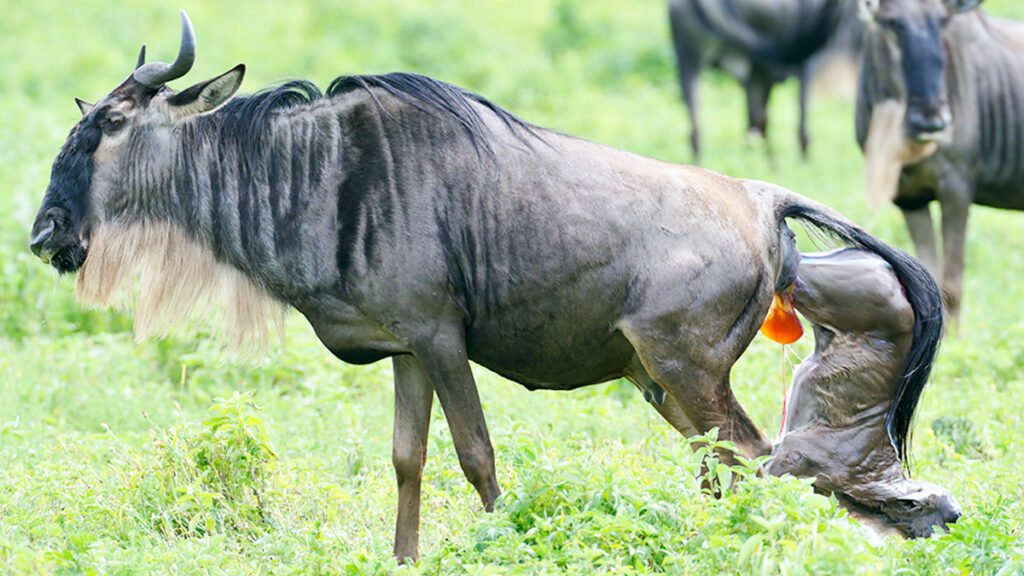
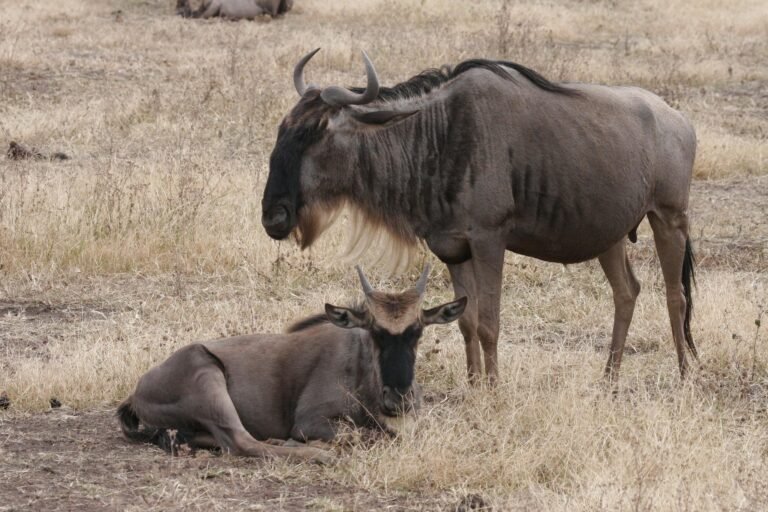
January brings the short dry season to Tanzania, a lull between the short and long rains. Hundreds of thousands of wildebeest gather on the short-grass plains of Ndutu and the southern Serengeti to give birth, and lions, cheetahs and hyenas are never far behind. Days are warm and clear with excellent visibility, and it is a great month to climb Kilimanjaro or finish on Zanzibar's beaches.
- High season
- Max. temperature 29°C
- Short dry season
- Calving season
- Kilimanjaro: great
- Zanzibar: best
Kenya in January
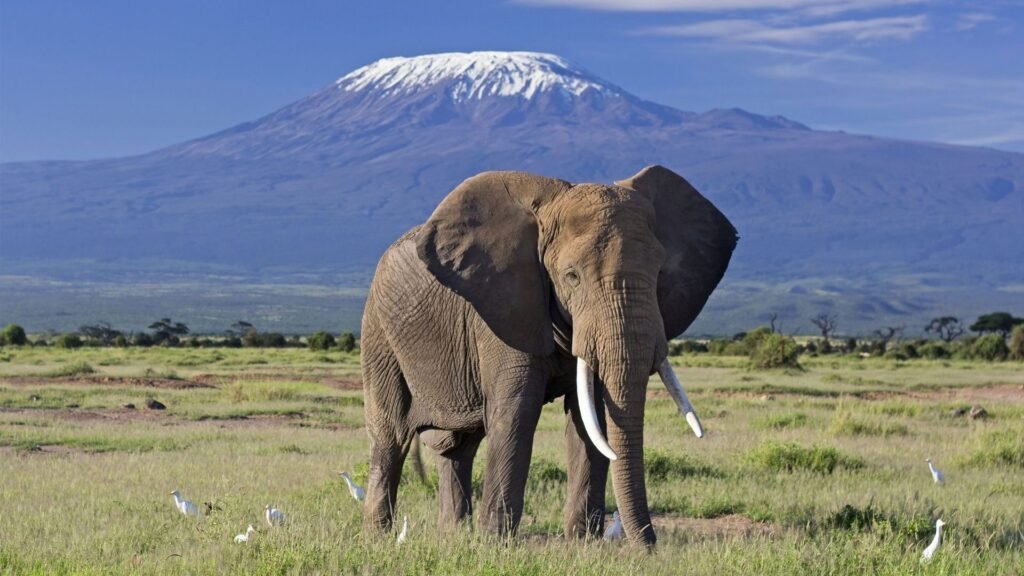
January is part of Kenya's short dry season, between the short and long rains. Skies are clear, wildlife gathers around water and the views of Kilimanjaro from Amboseli are at their sharpest. It is a lovely month to combine a safari with a few days on the coast at Diani or Lamu.
- High season
- Short dry season
- Great game viewing
- Kilimanjaro views
- Coast: great
Rwanda in January
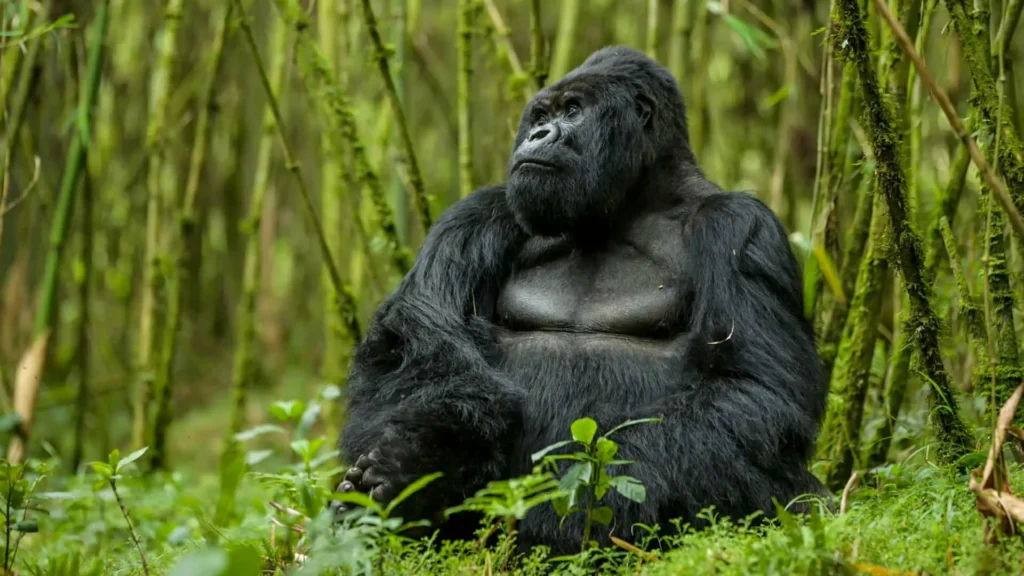
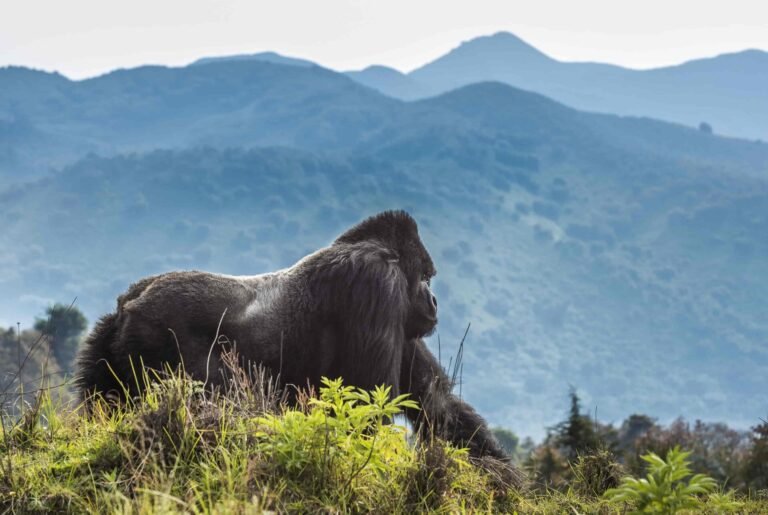
January falls in Rwanda's short dry season. Trails in Volcanoes National Park are drier and easier to hike, the hills are still green from the short rains, and it is a lovely month to combine gorilla trekking with game drives in Akagera.
- High season
- Short dry season
- Gorilla trekking: great
- Green hills
Trip ideas
Best trips in January
 Tanzania · 6 days6 Day Safari Tanzania: Calving Season in Ndutu & SerengetiFrom $5,760 per personTanzania · 4 days4 Days Ndutu Migration Safari Calving SeasonFrom $2,690 per person
 Kenya · 8 days8 Days Kenya Classic Safari AdventureFrom $5,700 per person
 Rwanda · 4 days4 Days Gorilla Trek- RwandaFrom $6,560 per person
Good to know
January safari FAQs
Is January a good time for a safari?
Yes. January is one of the best months for an East African safari. It is the short dry season in Tanzania and Kenya, so days are warm and clear and game viewing is excellent, and Rwanda's trails are drier for gorilla trekking.
Where is the Great Migration in January?
In January the wildebeest and zebra herds are on the short-grass plains of the southern Serengeti around Ndutu. The calving season begins towards the end of the month, which brings lions, cheetahs and hyenas close.
What is the weather like in January?
January is warm and mostly dry across northern Tanzania and Kenya, with sunny days and the odd short shower. Mornings can be cool on the Ngorongoro Crater rim, so pack a warm layer.
Is January good for gorilla trekking in Rwanda?
Yes. January falls in Rwanda's short dry season, so the trails in Volcanoes National Park are drier and easier to hike than in the rainy months, and the hills are still green.
Is January a busy or expensive time to travel?
January is high season, especially in the first week after the holidays. Prices are at high-season levels and the most popular camps book up early, so it pays to plan several months ahead.
Plan your safari
Planning a safari in January?
Tell us your dates and what you'd love to see, and our team in Arusha will suggest the right parks, camps and timing.
Plan my safari