Kenya
Samburu National Reserve
Best time to visit: June – October & December – March
About Samburu National Reserve
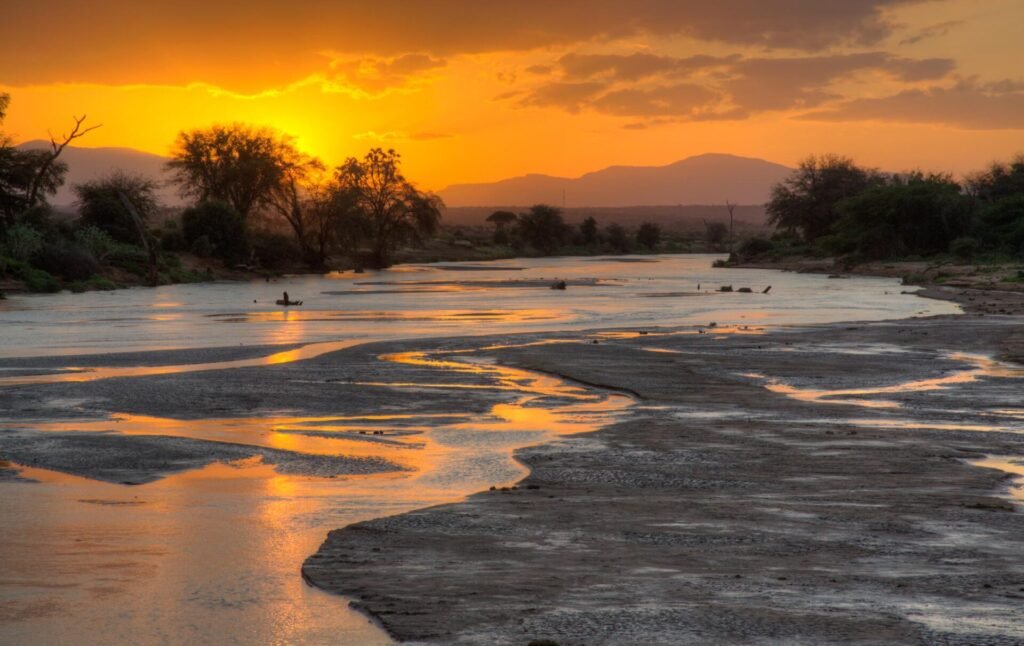
Samburu National Reserve is a rugged and remote safari destination located in northern Kenya along the banks of the Ewaso Nyiro River. Unlike the greener parks of southern Kenya, Samburu is characterized by semi-arid landscapes, rocky hills, doum palms, and dry savannah plains that create a dramatic and untamed wilderness atmosphere. Its harsh environment supports unique wildlife species specially adapted to northern Kenya’s dry conditions.
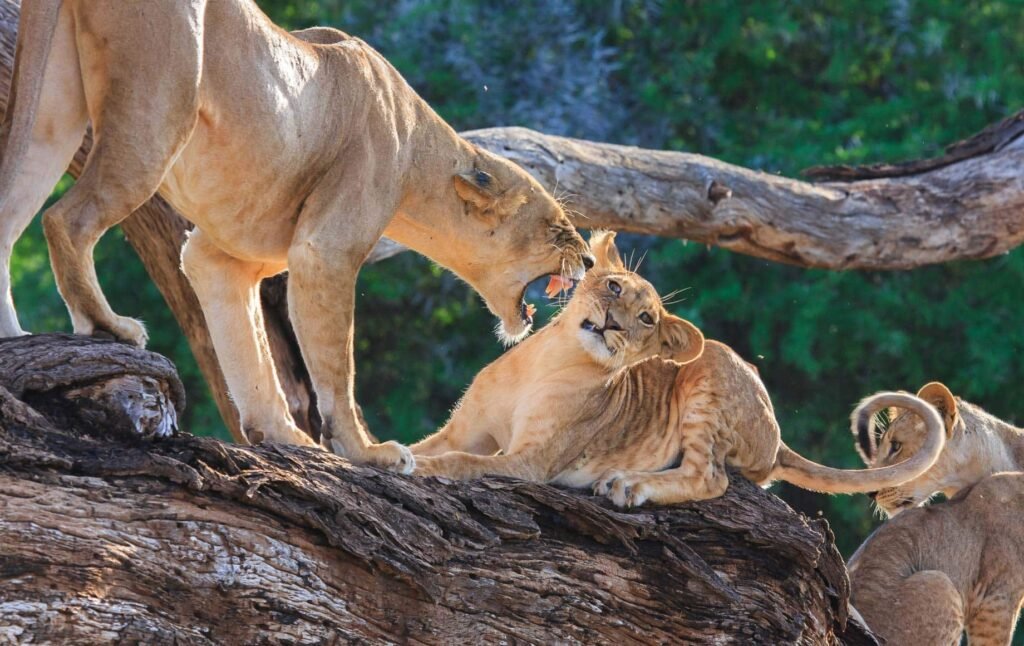
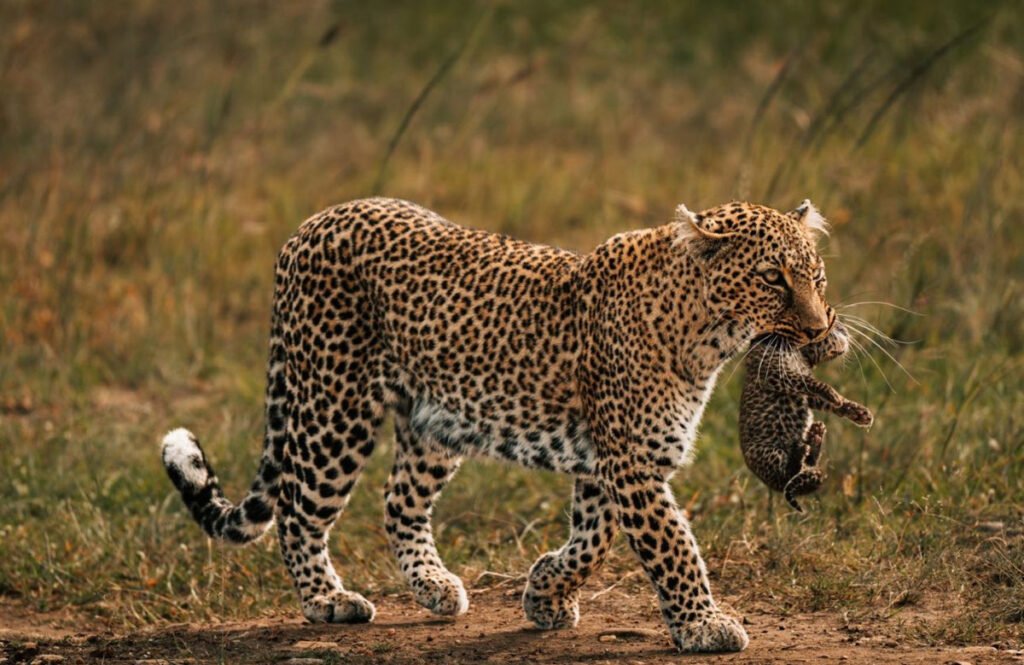
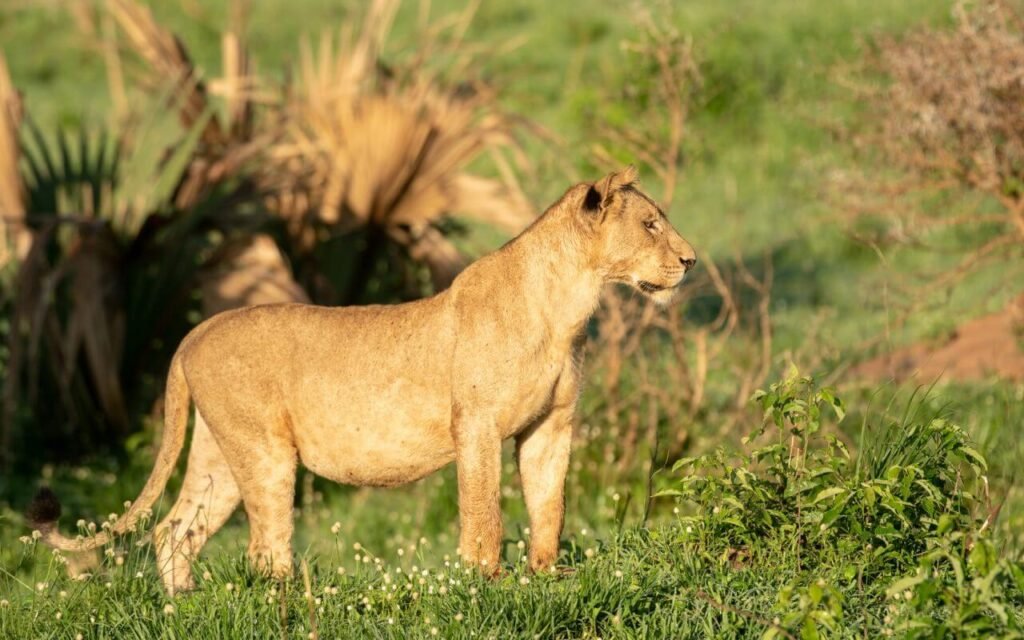
The reserve is particularly famous for the “Samburu Special Five,” which includes the Grevy’s zebra, reticulated giraffe, Somali ostrich, gerenuk, and Beisa oryx. These rare northern species are difficult to find elsewhere in Kenya, making Samburu a highly distinctive safari destination. Predators such as lions, leopards, and cheetahs are also common, especially near the river where wildlife gathers for water.
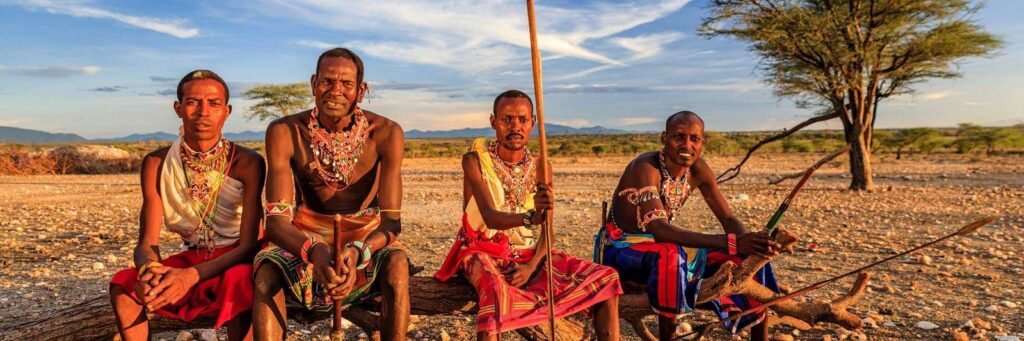
Samburu is deeply connected to the culture of the Samburu people, who are closely related to the Maasai and maintain strong pastoral traditions. Visitors often experience authentic cultural encounters involving traditional dances, beadwork, livestock practices, and local storytelling. The combination of rare wildlife, dramatic scenery, and strong indigenous culture gives Samburu a completely different safari identity compared to other Kenyan parks.
When to go
Best time to visit
The best time to visit Samburu is during the dry seasons when wildlife gathers around the Ewaso Nyiro River, making sightings easier and more concentrated. Dry weather also improves road conditions and visibility across the open landscapes. Wet seasons bring greener scenery and excellent birdwatching, though wildlife becomes more dispersed.
Good to know
01.Weather & climate
Samburu has a hot semi-arid climate with warm temperatures throughout the year and relatively low rainfall. Days are often hot and dry, while mornings and evenings can feel cooler, especially near the river. Rainfall is unpredictable but usually arrives in short seasonal bursts that temporarily transform the dry landscape into green vegetation.
Overall, the climate creates excellent year-round safari conditions, particularly for wildlife concentration around permanent water sources. The dry environment enhances visibility and contributes to Samburu’s raw wilderness feel, making it one of Kenya’s most visually distinctive safari destinations.
02.When is high season?
High season here runs july, August, September, December, January, February. Camps book up early in these months, so plan ahead, or travel either side for quieter parks and better rates.
Talk to someone who’s been there
Our travel specialists are based in Arusha, with deep local knowledge and a passion for East Africa. Tell us how you like to travel and we’ll plan the right parks, camps and timing for you.
Make an enquiry
Plan your safari with an expert
Our team of travel specialists are waiting to help you book your next adventure.
Keep exploring
More places in Kenya
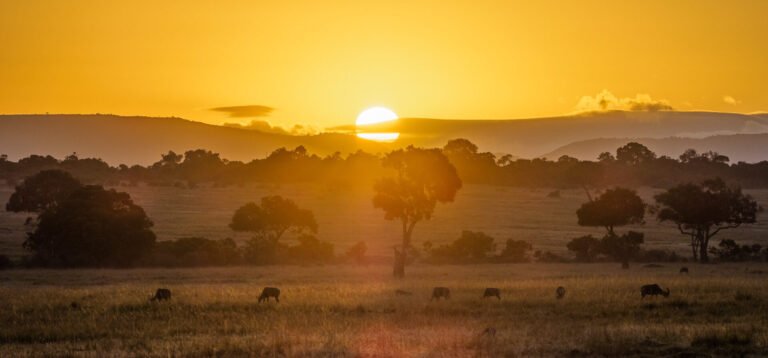 Best time · July – October (Migration season)Maasai Mara National Reserve
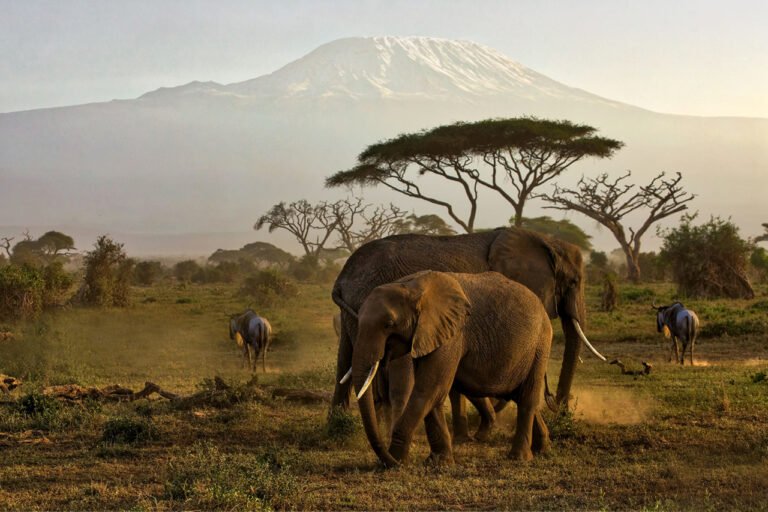 Best time · June – October & January – FebruaryAmboseli National Park
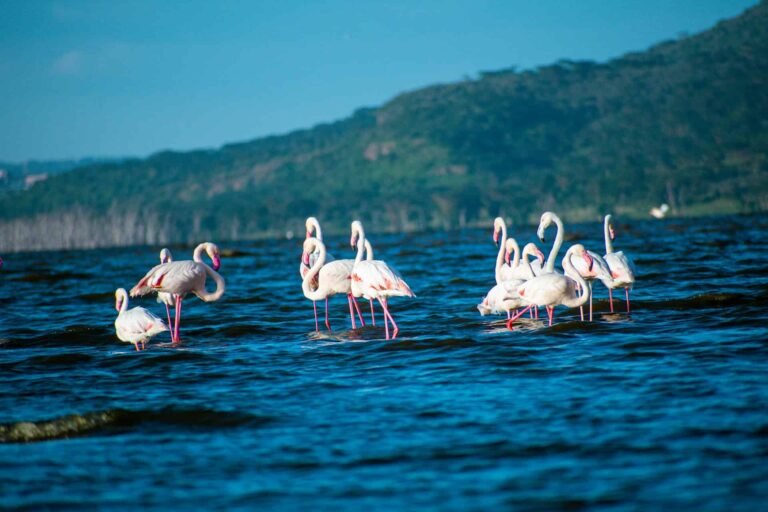 Best time · June – March (dry and stable conditions)Lake Nakuru National Park
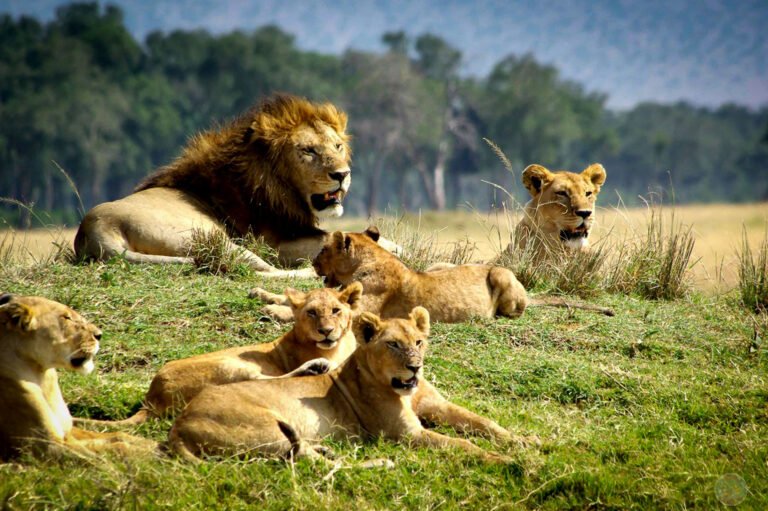 Best time · June – October & January – FebruaryTsavo National Park
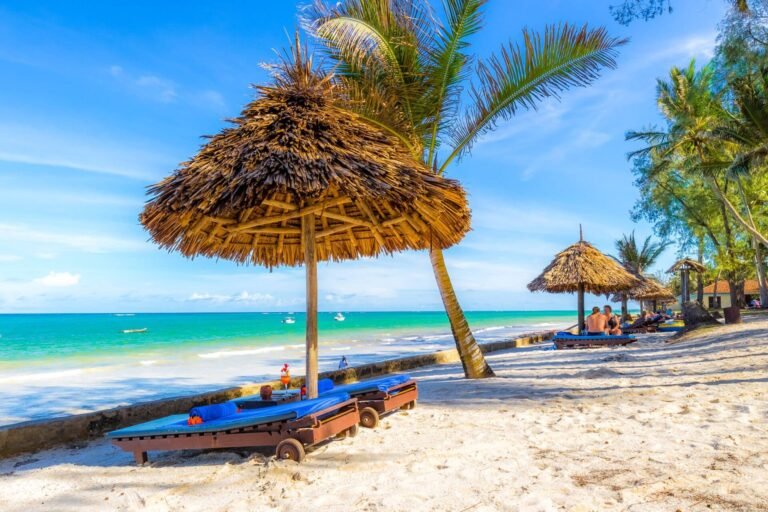 Best time · December – March & July – OctoberDiani Beach
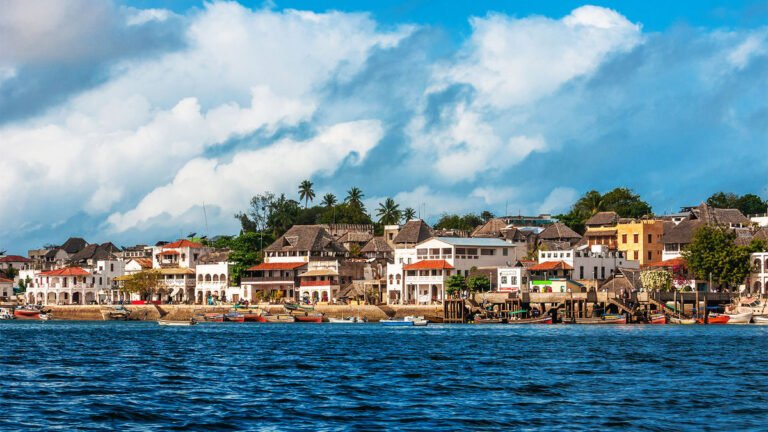 Best time · December – March & July – OctoberLamu Island