Tanzania
Serengeti National Park
Best time to visit: June to February
About Serengeti National Park
Serengeti National Park is Tanzania's oldest park and a UNESCO World Heritage Site. It covers an area of approximately 14,750 square kilometers (5,700 square miles) and is considered one of the most iconic safari destinations globally. It is famous for its spectacular wildebeest migration and offers exceptional wildlife viewing year-round.
How to get to Serengeti National Park
There are several ways to reach Serengeti National Park. The most common route is flying into one of Tanzania's main airports, such as Kilimanjaro International Airport (JRO) which is situated about 46km/29 mi from Arusha, or Julius Nyerere International Airport (DAR) in Dar es Salaam. From there, you can take a domestic flight to one of the airstrips within or near the park, such as Seronera Airstrip or Grumeti Airstrip. Many lodges and camps in the area provide airport transfers for their guests.
Best Things to Do in Serengeti National Park
Game Drives
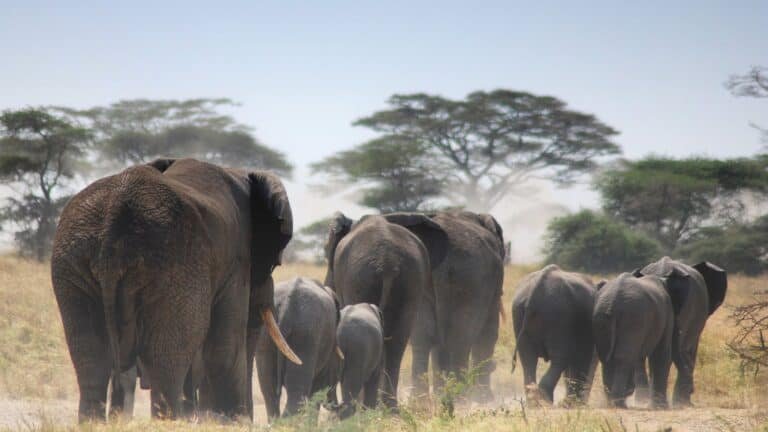
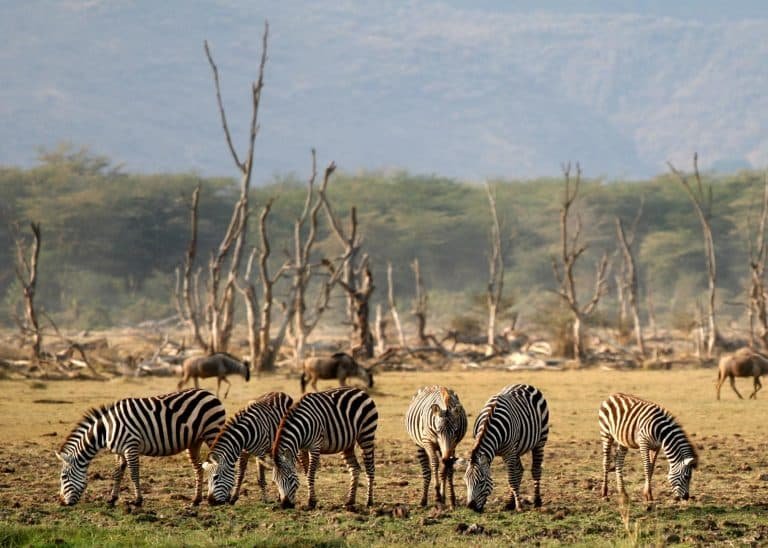
Embark on thrilling game drives to explore the vast plains of the Serengeti and witness its abundant wildlife, including lions, elephants, giraffes, zebras, and more. Experienced guides accompany these drives to ensure a safe and informative experience.
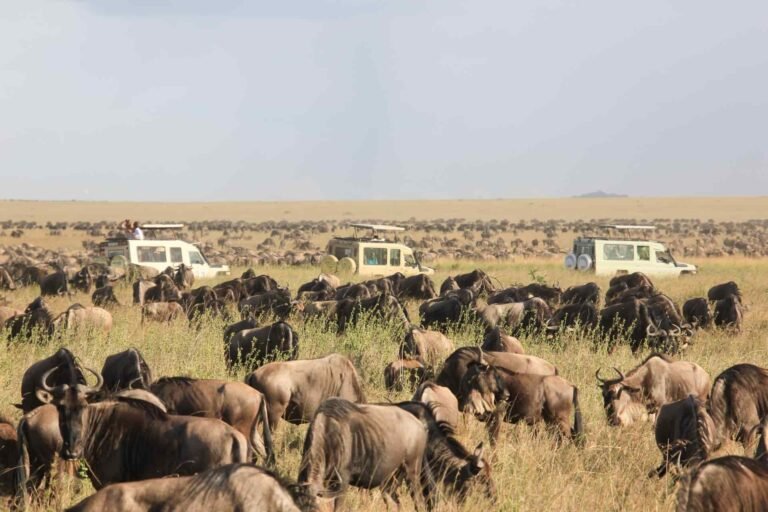
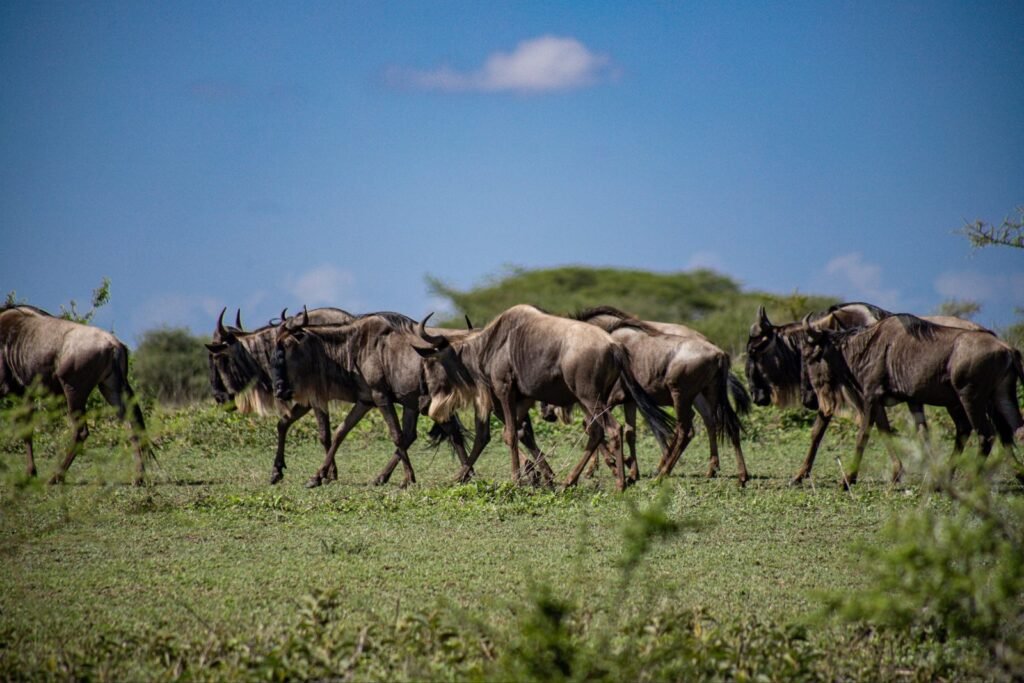
Witness the awe-inspiring Great Migration, where millions of wildebeest, zebras, and other herbivores undertake a treacherous journey across the plains, facing river crossings and predator encounters. This natural spectacle usually occurs between July and October.
Hot Air Balloon Safaris in Serengeti National Park
Take to the skies on a hot air balloon safari to enjoy a unique and breathtaking perspective of the Serengeti. Float above the wildlife and witness the stunning landscapes as the sun rises.
Guided Walking Safaris
Experience a more intimate encounter with nature by joining a guided walking safari. Accompanied by armed rangers and expert guides, you can explore the park on foot, observing the smaller wildlife, and plant life, and learning about the ecosystem up close.
Cultural Interactions in Serengeti National Park
Visit the nearby Maasai communiies and engage in cultural interactions. Learn about their traditions, customs, and way of life, gaining insight into the local culture.
When to go
Best time to visit
The best time to visit Serengeti National Park depends on the specific experiences you wish to have. Here are some key considerations:
Great Migration - Serengeti National Park
If witnessing the Great Migration is a priority, plan your visit between July and October. During this period, the herds are typically in the northern part of the park, making river crossings and providing excellent wildlife viewing opportunities.
Dry Season
The dry season, from June to October, offers excellent game viewing as wildlife congregates around water sources, making animals easier to spot. Vegetation is also less dense, enhancing visibility.
Calving Season
From late January to February, the southern Serengeti experiences the calving season, where thousands of wildebeest give birth to their young. This is a unique and fascinating time to witness the circle of life in action.
Average daytime high in °C · average monthly rainfall in mm


Trip ideas
Safaris that visit Serengeti National Park
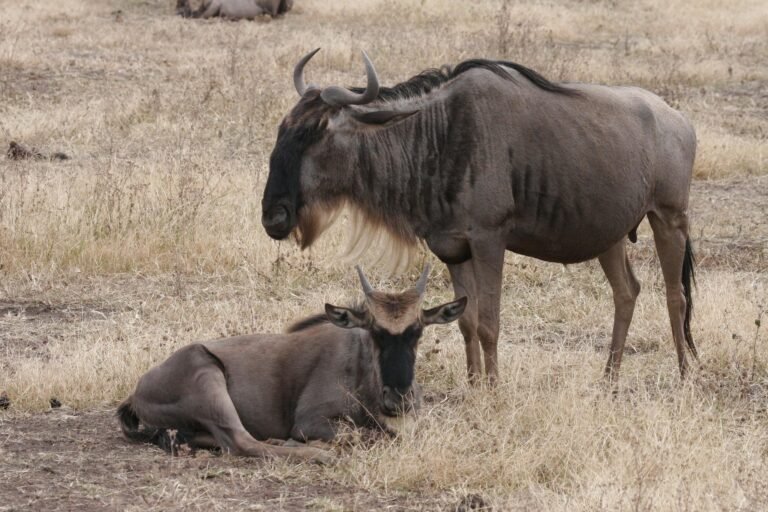 Tanzania · 6 days6 Day Safari Tanzania: Calving Season in Ndutu & SerengetiFrom $5,760 per person
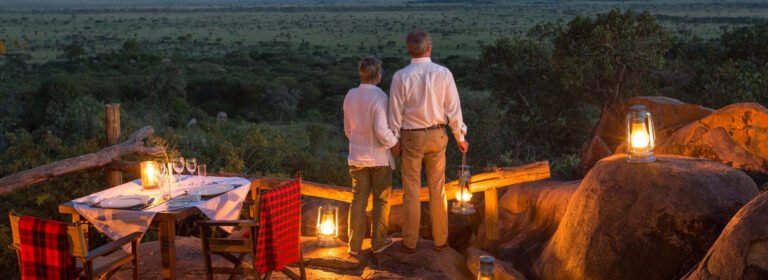 Tanzania · 12 days12 Days Luxury Tanzania SafariFrom $14,600 per person
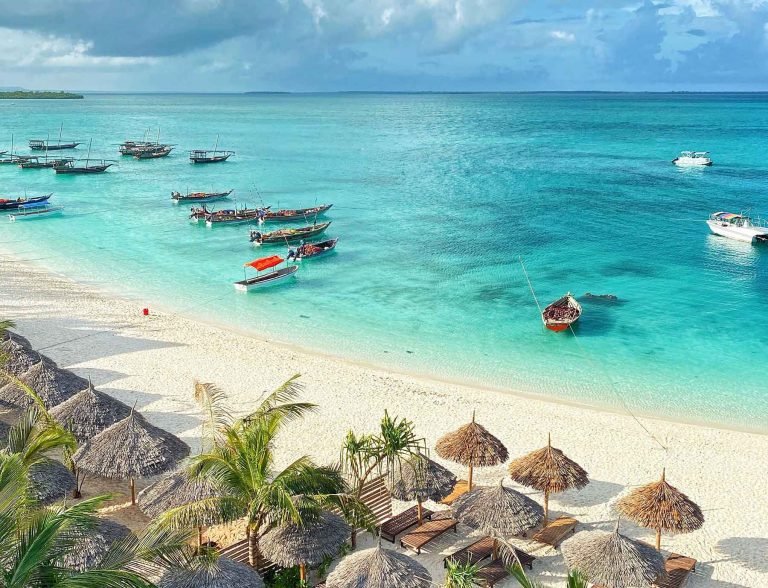
 Tanzania · 10 days10 Days Tanzania Honeymoon Safari & Zanzibar Beach HolidayFrom $12,000 per person
 Tanzania · 8 days8 Days Tanzania Honeymoon Safari & Zanzibar Beach HolidayFrom $3,200 per personTanzania · 6 days6 Days: Tanzania All Inclusive Safari-Calving SeasonFrom $5,760 per person
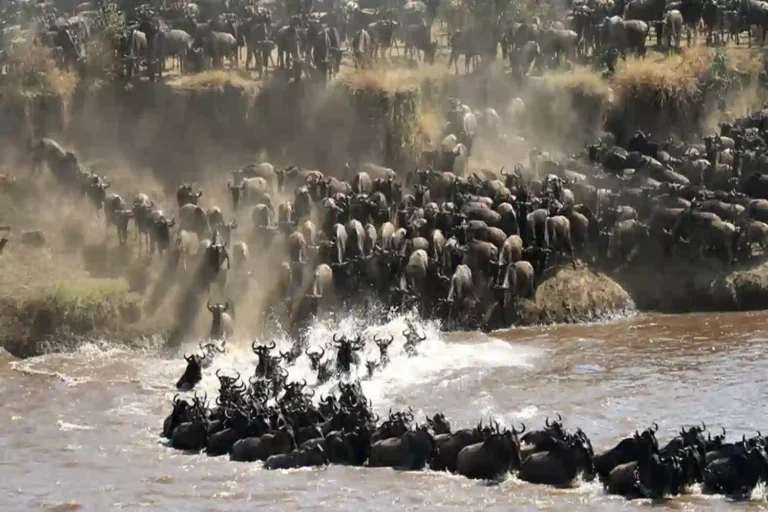 Tanzania · 7 days7-Day Serengeti Safari: Great Migration TanzaniaFrom $4,841 per person
Where to stay
Camps & lodges in Serengeti National Park
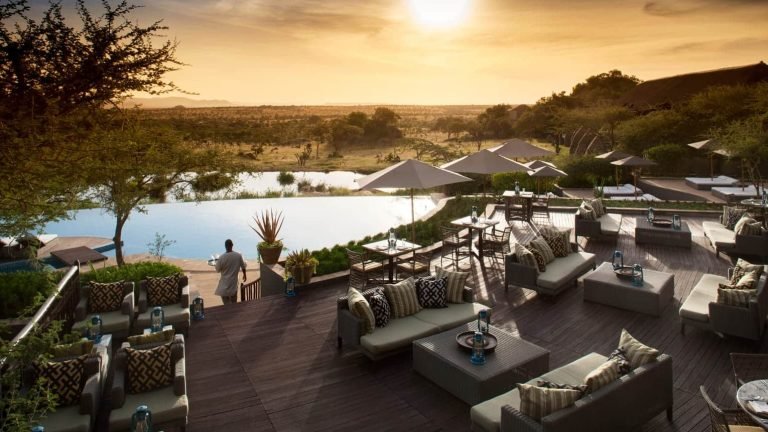 Serengeti National Park · HotelFour Season Safari Lodge SerengetiMid-Luxury
 Serengeti National Park · LodgeGrumeti Serengeti River LodgeMid-Luxury
 Serengeti National Park · LodgeLemala Nanyukie LodgeMid-Luxury
 Serengeti National Park · HotelMelia Serengeti LodgeMid-Luxury
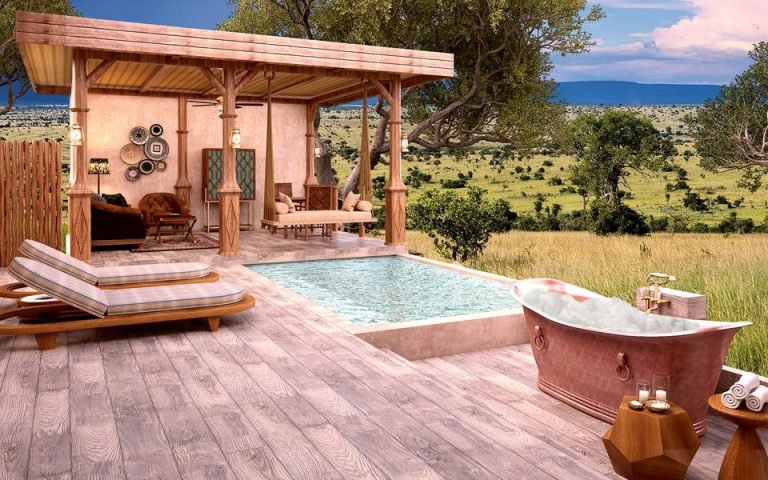 Serengeti National ParkOne Nature Mara River
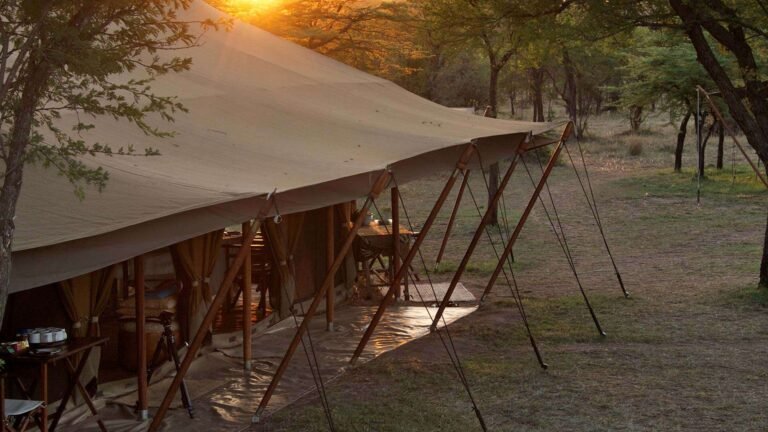
 Serengeti National Park · LodgeSerengeti Bushtops CampLuxury



Good to know
01.Weather & climate
The Serengeti experiences a predominantly dry climate with distinct wet and dry seasons. The weather can vary depending on the time of year:
Dry Season
From June to October, the park experiences its dry season. During this time, temperatures are generally warm, ranging from 25°C to 30°C (77°F to 86°F) during the day. Nights and early mornings can be cooler, with temperatures around 15°C to 20°C (59°F to 68°F).
Wet Season
The wet season occurs from November to May, with the heaviest rainfall typically between March and May. During this time, the park becomes greener and the landscape transforms. Temperatures remain relatively warm, but it can be more humid, with occasional afternoon showers.
It's worth noting that weather patterns can vary, and it's always a good idea to check the specific forecast for the time of your visit.
02.Highlights
- Animals are easier to spot since they concentrate around waterholes and rivers and the vegetation is less thick
03.Things to consider
- It gets quite crowded around the Seronera area
- Mornings and nights get cold – warm clothing is recommended
04.When is high season?
High season here runs july to March. Camps book up early in these months, so plan ahead, or travel either side for quieter parks and better rates.
Talk to someone who’s been there
Our travel specialists are based in Arusha, with deep local knowledge and a passion for East Africa. Tell us how you like to travel and we’ll plan the right parks, camps and timing for you.
Make an enquiry
Plan your safari with an expert
Our team of travel specialists are waiting to help you book your next adventure.
Keep exploring