Kenya
Lake Nakuru National Park
Best time to visit: June – March (dry and stable conditions)
About Lake Nakuru National Park
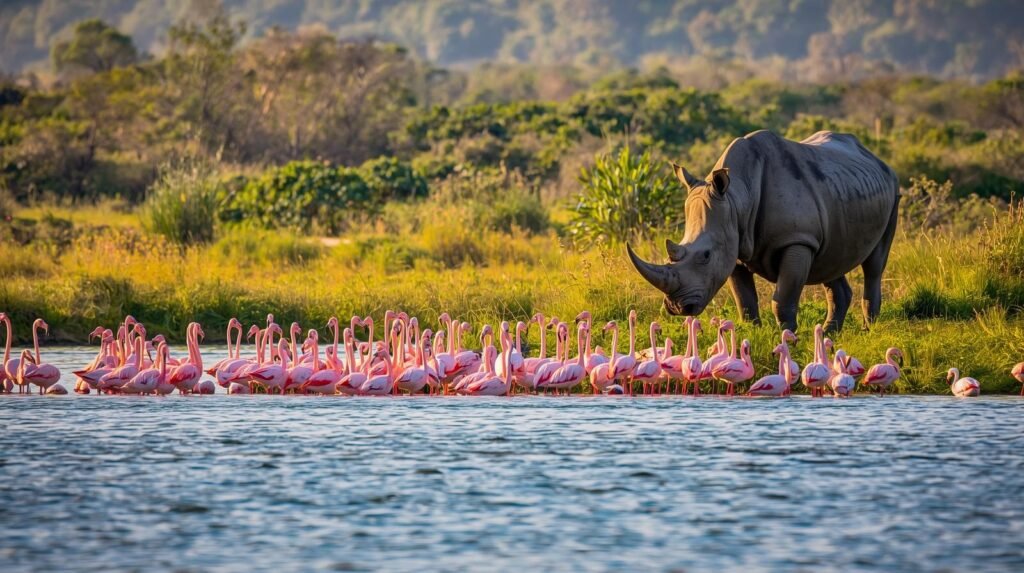
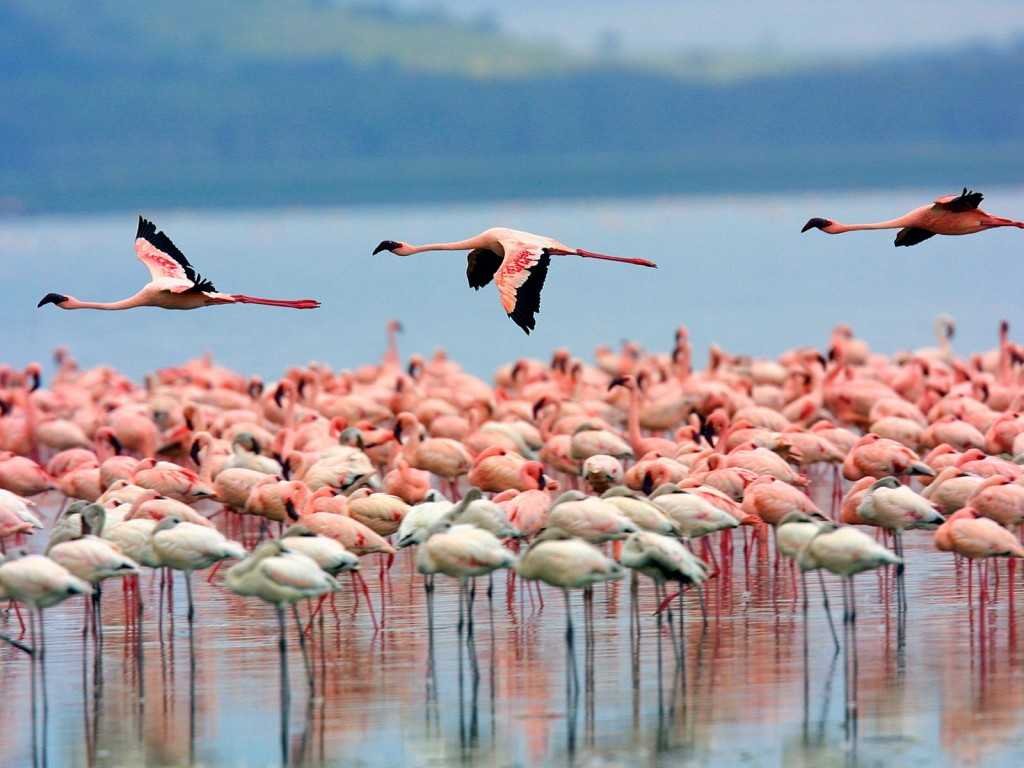
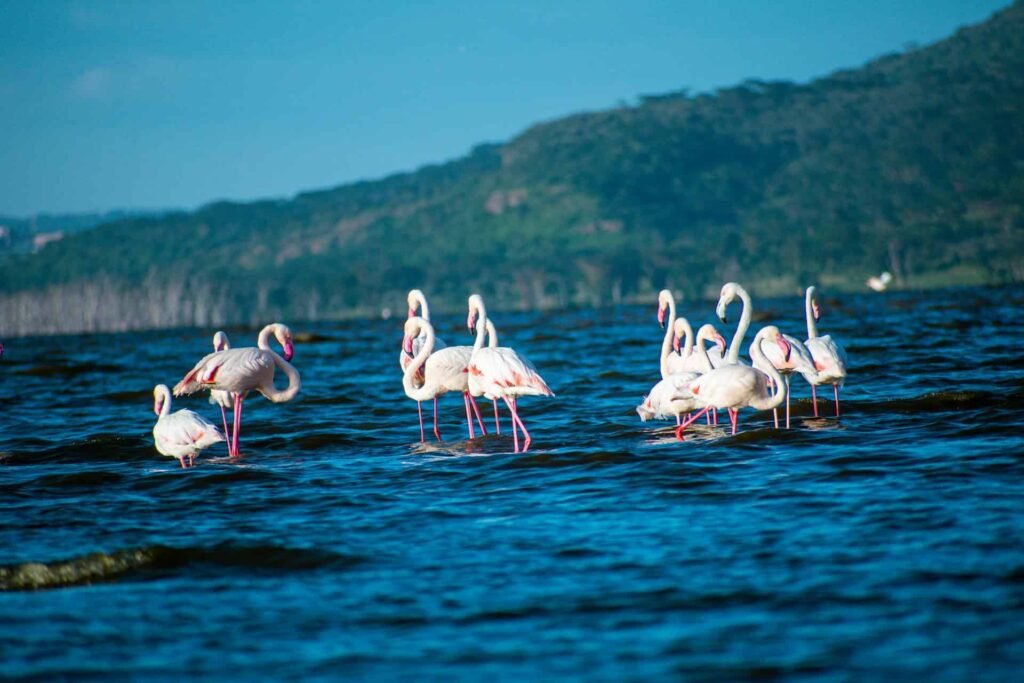
Lake Nakuru National Park is one of Kenya’s most beautiful compact safari destinations, located in the Great Rift Valley. The park is centered around Lake Nakuru, a shallow alkaline lake that attracts huge numbers of flamingos and other water birds, creating one of the most colorful natural spectacles in Africa. The surrounding landscape includes wooded grasslands, rocky cliffs, and acacia forests, giving the park a diverse ecological setting within a relatively small area.
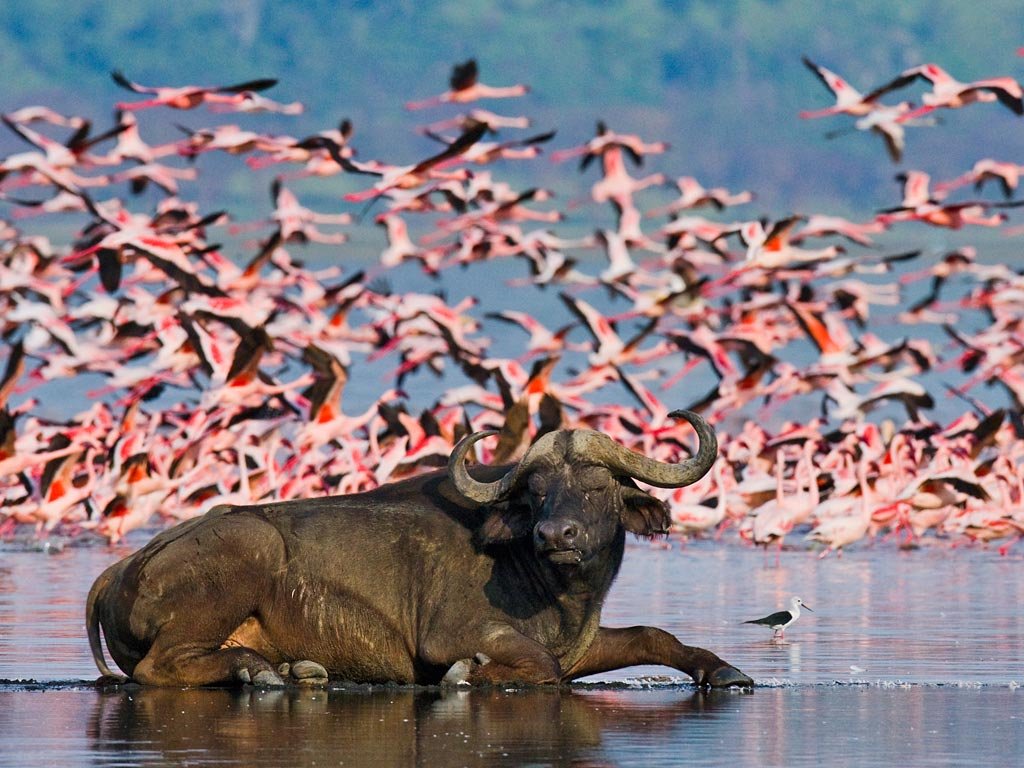
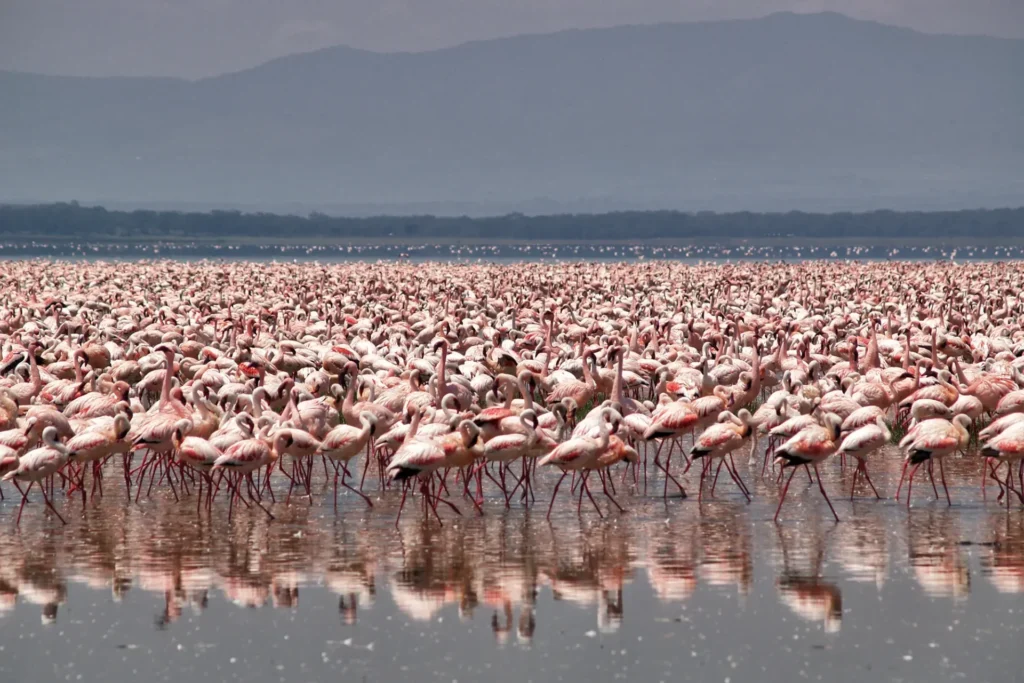
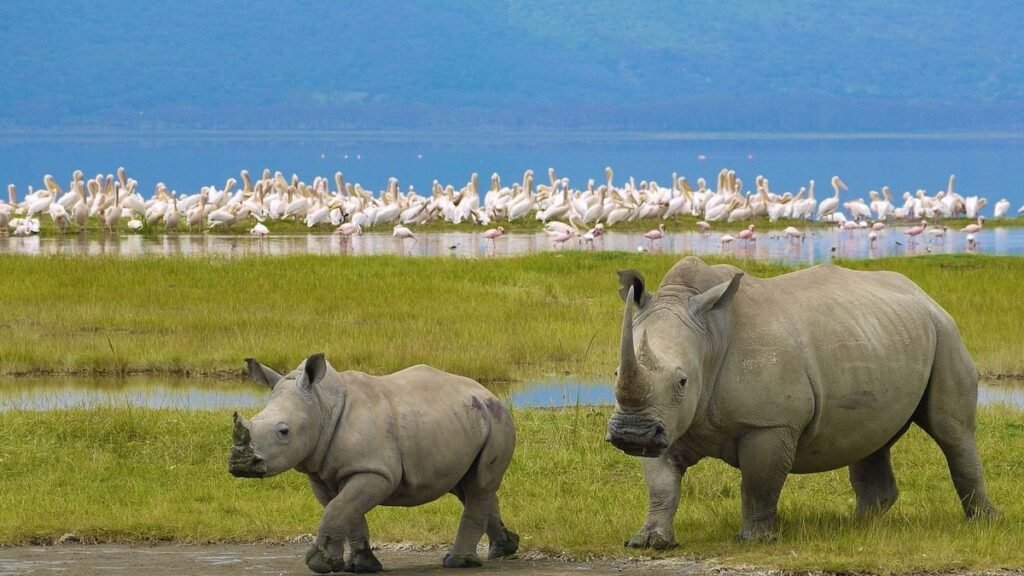
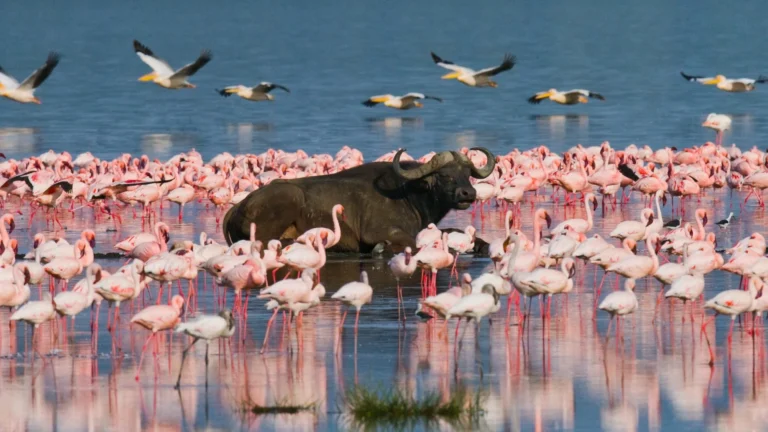
The park is particularly famous for its flamingo population, which can number in the hundreds of thousands during peak periods, turning the lake shoreline into a pink shimmering band. Although flamingo numbers vary depending on water levels and algae conditions, the lake remains a critical birding hotspot. Beyond birds, the park is also a strong conservation area for both black and white rhinos, making it one of the best places in Kenya to see these endangered species.
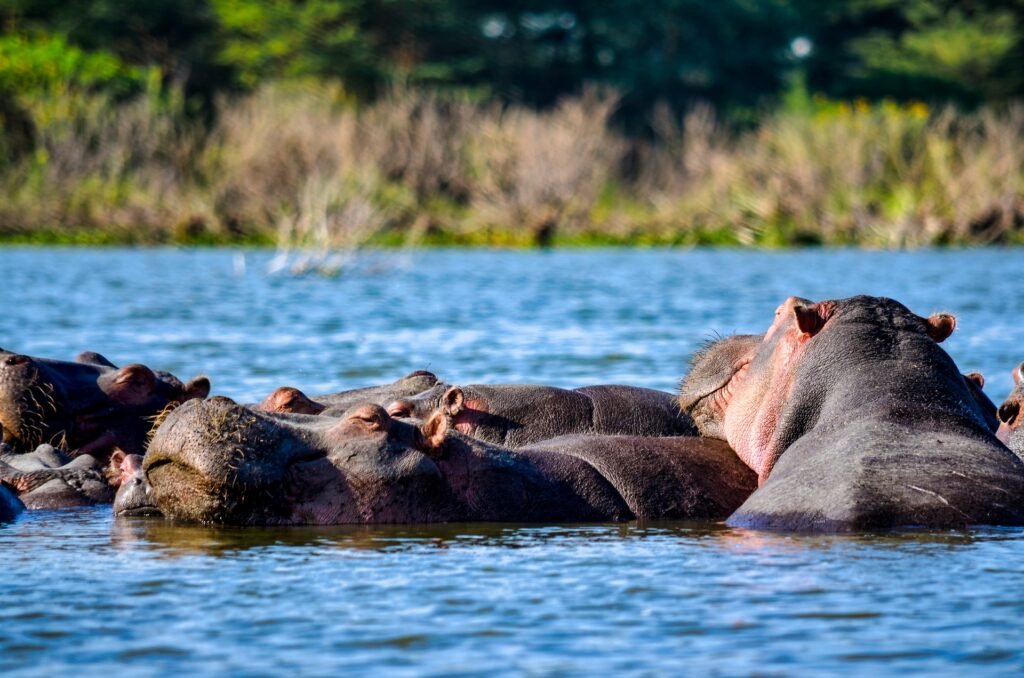
Lake Nakuru also supports a rich variety of wildlife including lions, leopards, giraffes (including the rare Rothschild giraffe), buffalo, zebras, and baboons. Its enclosed nature and fenced boundaries make wildlife viewing relatively easy and safe, which is ideal for short safaris or first-time visitors. The scenic viewpoints overlooking the lake also provide some of the most iconic Rift Valley photography opportunities.
When to go
Best time to visit
Lake Nakuru is best visited during the dry months when road conditions are good and wildlife is easier to spot around water sources. Birdlife is generally good year-round, but flamingo numbers vary depending on lake conditions. The dry season also offers clearer views of the lake and surrounding escarpments, making it ideal for photography and game drives.
Trip ideas
Safaris that visit Lake Nakuru National Park
Where to stay
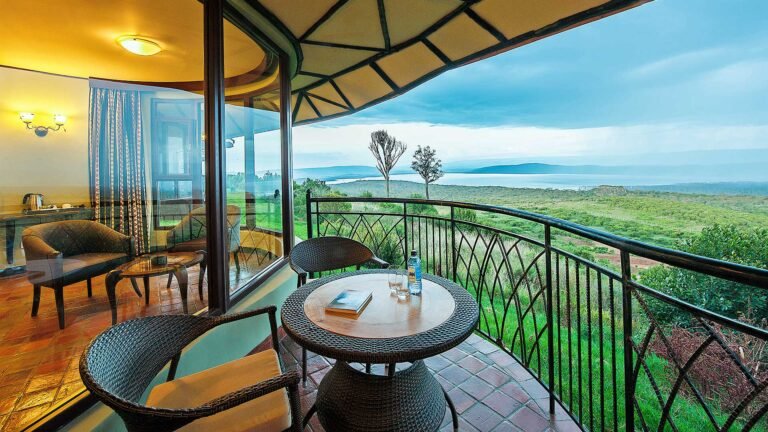
Camps & lodges in Lake Nakuru National Park
Good to know
01.Weather & climate
Lake Nakuru has a mild highland climate due to its elevation in the Rift Valley. Temperatures are generally cooler compared to other Kenyan parks, especially in the early mornings and evenings. The rainy seasons bring lush greenery and increased bird activity, but also make some roads slippery and difficult to navigate.
Overall, the climate supports a rich biodiversity system where both water and land species thrive. The balance between wet and dry seasons plays a key role in shaping flamingo movements and vegetation growth, making each visit slightly different depending on timing and lake conditions.
02.When is high season?
High season here runs july, August, September, December, January. Camps book up early in these months, so plan ahead, or travel either side for quieter parks and better rates.
Talk to someone who’s been there
Our travel specialists are based in Arusha, with deep local knowledge and a passion for East Africa. Tell us how you like to travel and we’ll plan the right parks, camps and timing for you.
Make an enquiry
Plan your safari with an expert
Our team of travel specialists are waiting to help you book your next adventure.
Keep exploring
More places in Kenya
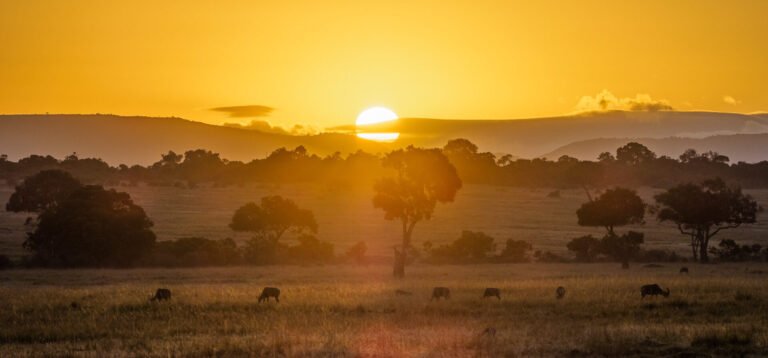 Best time · July – October (Migration season)Maasai Mara National Reserve
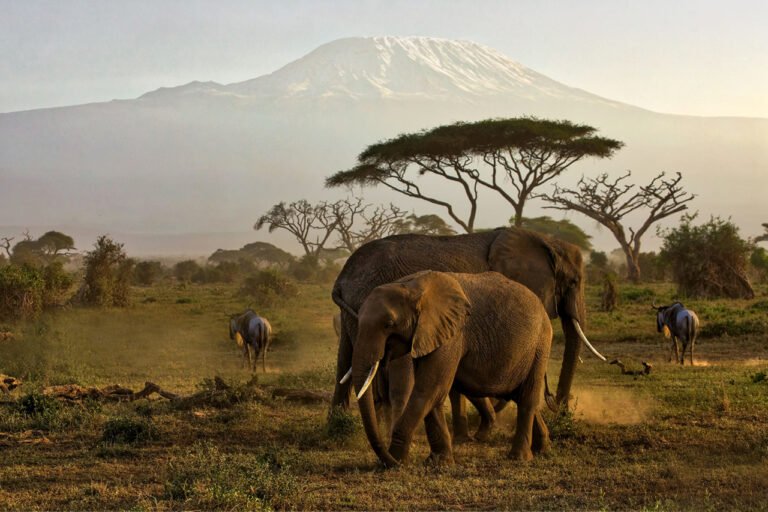 Best time · June – October & January – FebruaryAmboseli National Park
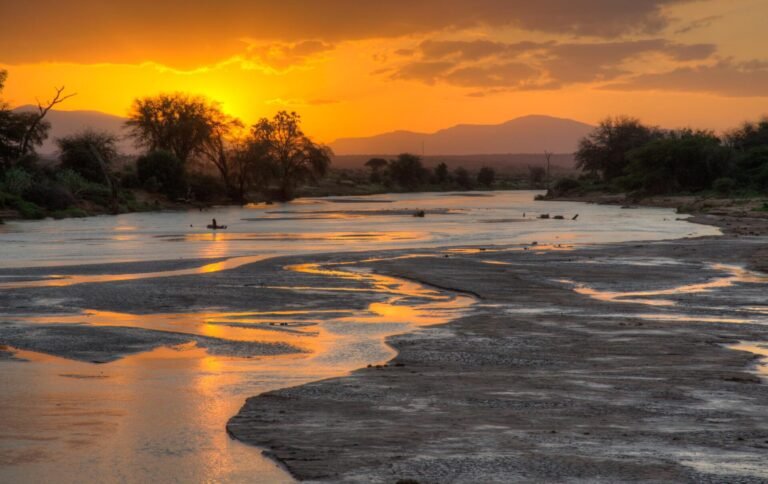 Best time · June – October & December – MarchSamburu National Reserve
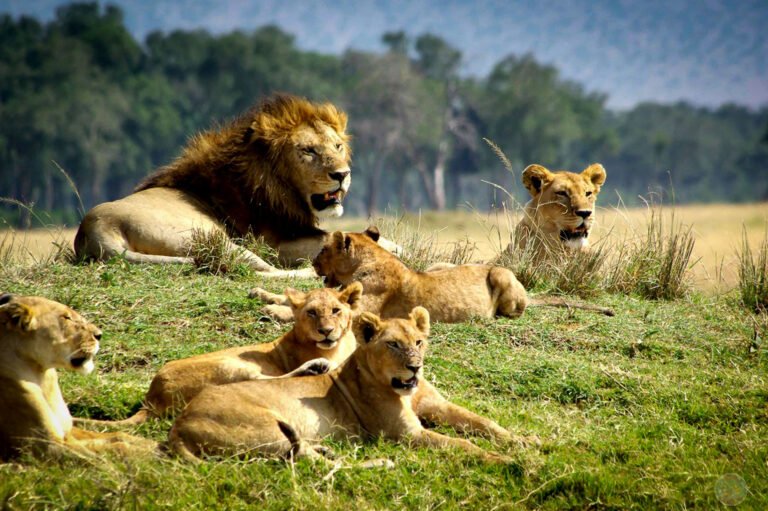 Best time · June – October & January – FebruaryTsavo National Park
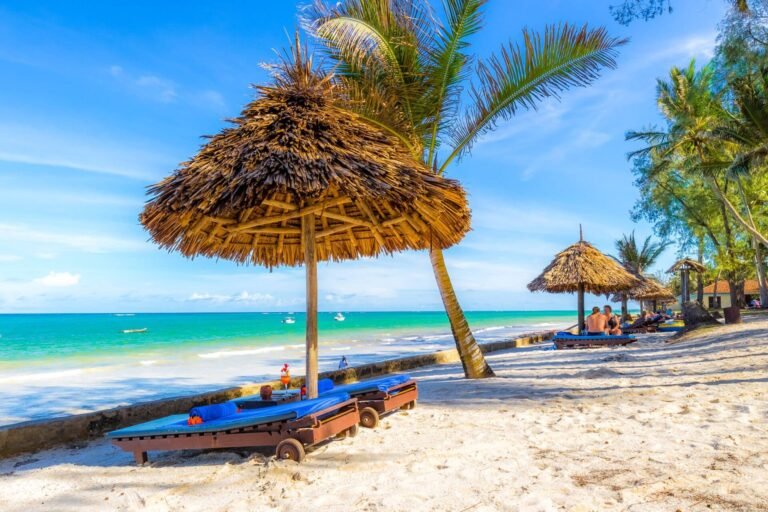 Best time · December – March & July – OctoberDiani Beach
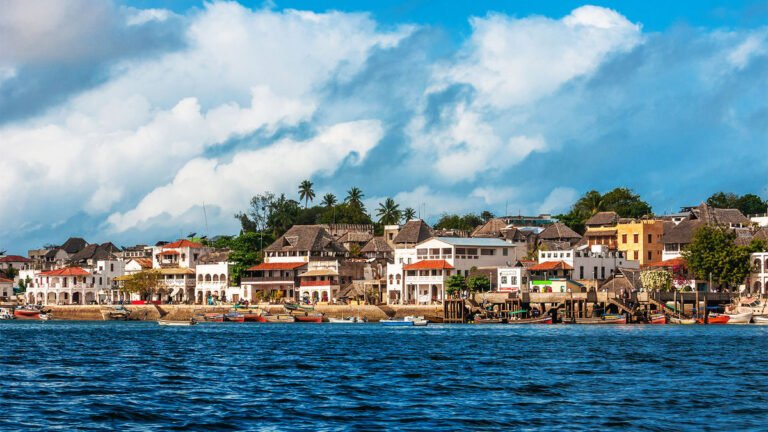 Best time · December – March & July – OctoberLamu Island