Planning a Tanzania safari trip in 2026 or 2027? If so, you are not alone. Thousands of people search Google every month with questions about costs, best time to visit, safety, visas, and the Great Migration.
That is why this detailed FAQ answers the most asked questions. Whether you want a budget safari, luxury experience, or family trip to Serengeti and Ngorongoro Crater, you will find clear answers here.
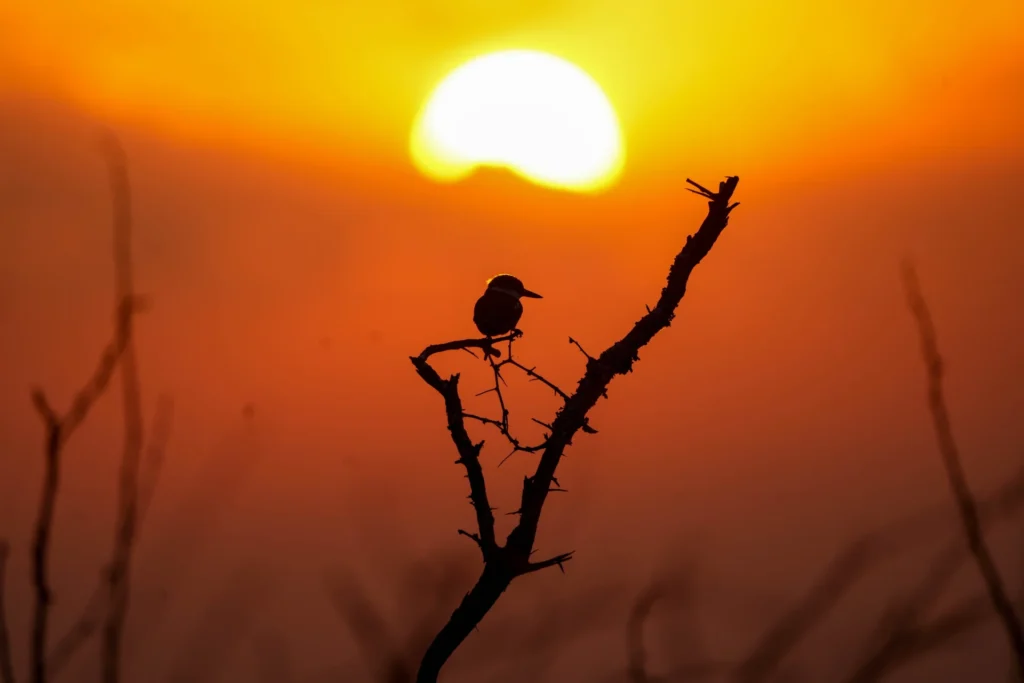
1. What is the best time to visit Tanzania for a safari trip?
First of all, Tanzania is a year-round destination, but the best time depends on what you want to see.
June to October (Dry Season):
Best overall for wildlife viewing. Because water is scarce, animals gather near water sources, making them easier to spot. This is peak time for Mara River crossings during the Great Migration.
January to March:
Excellent for the calving season in southern Serengeti. You see thousands of baby wildebeest and lots of predator action.
November to May (Green Season):
Fewer crowds, lower prices, and beautiful green landscapes. Great for photographers and budget travelers.
Overall, for first-time visitors, July to September is the most popular period.
2. How much does a Tanzania safari trip cost in 2026/2027?
This is one of the top searched questions. In general, prices are per person per day and include accommodation, meals, game drives, park fees, and a professional guide.
- Budget/Camping: $250 – $450
- Mid-range (comfortable lodges): $450 – $750
- Luxury (private camps & high-end lodges): $850 – $1,500+
Sample Packages
7-Days The Great Migration Safari (Serengeti, Ngorongoro): From $4,841 – $7,500 per person sharing)
12-day safari + Zanzibar Add $800 – $2,500 per person
Price Breakdown (per person per day – private safari, 2 people sharing):
- Mid-range: $650 – $950
- Luxury: $950 – $2,500+
Prices are stable, but book early for peak season. In contrast, green season offers big discounts. Ask us for a free quote and we will tailor your Tanzania safari trip to your budget.
3. Is Tanzania safe for tourists?
Yes, Tanzania is one of the safest countries in East Africa for safari travelers. In addition, national parks and tourist areas are well-protected. Besides, Tanzanians are friendly and welcoming.
Safety tips:
- Always stay with your guide in the parks.
- Avoid walking alone at night in cities
- Use reputable tour operators.
- Follow standard travel precautions like in any country.
Indeed, millions of tourists visit safely every year. Also, crime against tourists is low, especially on organized safaris.
4. Do I need a visa for Tanzania?
Most nationalities need a visa. You can get a visa on arrival (around $50 USD) or apply for an e-visa online before travel. The e-visa is faster and therefore recommended.
Your passport must be valid for at least 6 months. Then check the official Tanzania immigration e-visa website for your nationality. Sort out your visa at least two weeks before your Tanzania safari trip.
5. What vaccinations do I need?
No mandatory vaccinations for most travelers, but Yellow Fever vaccination is required if you come from a risk country or transit through one.
Recommended:
- Hepatitis A & B
- Typhoid
- Rabies (if you plan lots of outdoor activities)
- Tetanus
- Malaria prevention tablets (strongly advised)
Above all, visit a travel clinic 4–6 weeks before your trip.
6. Can you see the Great Migration in Tanzania?
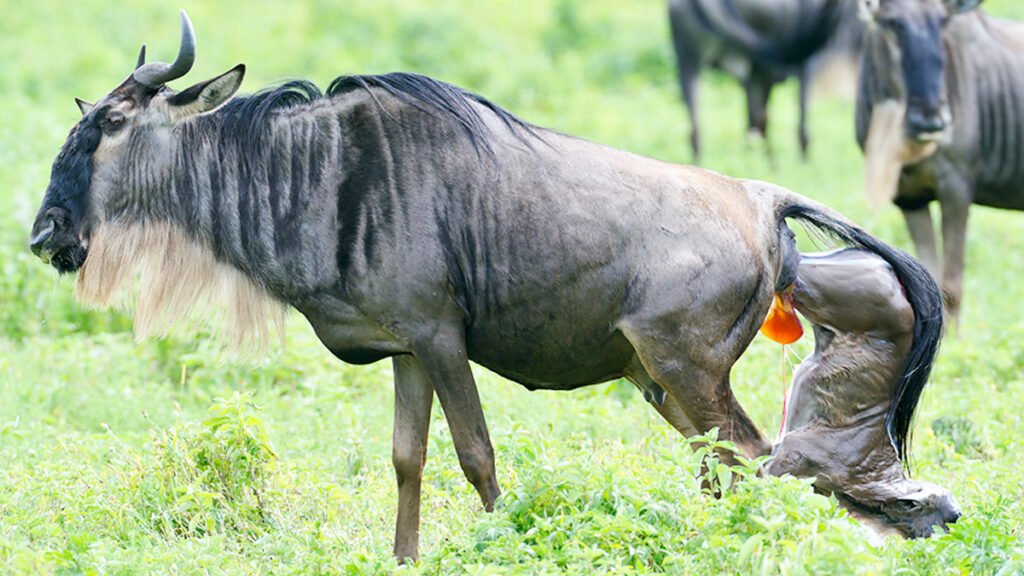
Yes! The Great Migration is one of the biggest reasons people choose a Tanzania safari trip. Specifically, over 1.5 million wildebeest and 250,000 zebras move in a big circle.
January–March: Calving in southern Serengeti
July–October: Dramatic river crossings in northern Serengeti
In fact, you can see parts of the migration almost all year in different areas of the Serengeti.
7. What are the must-see places on a Tanzania safari?
The classic Northern Circuit is the most popular:
Serengeti National Park — Known as endless plains and migration
Ngorongoro Crater — “The Eden Garden” with a high chance to see all Big Five
Tarangire National Park — Huge elephant herds and baobab trees
Lake Manyara — Tree-climbing lions
Afterwards, many people add Zanzibar for beach relaxation.
8. How many days do I need for a Tanzania safari?
5–6 days: Minimum for a good experience (Serengeti + Ngorongoro)
7–10 days: Ideal for most people
10–14 days: Best if you want to add Zanzibar or more parks
Generally, longer trips let you enjoy a slower pace and better wildlife sightings. Tell us how many days you have and we will plan the right Tanzania safari trip around them.
9. What should I pack for a Tanzania safari?
what to pack for a Tanzania Safari
Pack light and neutral colors (khaki, beige, green, brown).
Essentials:
- Binoculars and camera with zoom
- Lightweight long-sleeve shirts and pants
- Hat, sunglasses, sunscreen
- Comfortable closed shoes for walking
- Light jacket for cool evenings
- Insect repellent
- Reusable water bottle
- Malaria tablets and personal medicines
Also, avoid bright colors and heavy luggage.
10. What is the currency and how expensive is Tanzania?
The official currency is the Tanzanian Shilling (TZS), but US Dollars are widely accepted. Still, bring some US dollars in cash, in good condition.
Tanzania is not extremely cheap, but you can enjoy a great safari on different budgets. Meals outside parks cost $8–20. Tips for guides: $20–30 per person per day is standard. Learn how to say hello in Swahili before you go.
11. Is it safe to drink water and eat food?
Above all, drink bottled water only. It is available everywhere. Similarly, most safari lodges and restaurants prepare food safely for tourists. Eat hot, freshly cooked meals and peel fruits yourself. Avoid ice in drinks unless you are sure it is safe. Bottled or filtered drinking water is provided on almost every safari in Tanzania.
12. What language do people speak?
Swahili is the national language, but English is widely spoken in tourist areas, hotels, and by safari guides. As a result, you will have no problem communicating.
13. Can families go on Tanzania safari?
Yes, many families travel together. Choose family-friendly lodges with connecting rooms and age-appropriate activities. Children above 5–6 years usually enjoy safaris. However, some luxury camps have minimum age rules (often 12+ for certain activities).
14. What is the difference between Kenya and Tanzania safari?
Tanzania has more wildlife and larger parks. Furthermore, the Serengeti and Ngorongoro are unique. Moreover, Tanzania feels less crowded. Many people combine both countries, but Tanzania alone is enough for an amazing trip. If you only have time for one country, a Tanzania safari covers the Serengeti, Ngorongoro and more in one itinerary.
15. Do I need travel insurance?
Yes, strongly recommended. In particular, get insurance that covers medical emergencies, trip cancellation, and evacuation. After all, safari activities can be adventurous.
16. What to wear on safari?
Comfortable, modest clothing. Long sleeves and pants help against sun and mosquitoes. Avoid white (shows dust) and camouflage (reserved for military). Instead, neutral earth tones are best. Pack light layers too, as early mornings and evenings on a Tanzania safari trip can be cool.
17. How to book the best Tanzania safari trip?
Book with a reputable operator 6–12 months in advance for peak season. Also, read reviews, check inclusions, and ask for customized itineraries. Finally, private safaris are often better than large group tours.
18. Can I see the Big Five?
Yes, especially in Ngorongoro Crater and Serengeti. The Big Five are lion, leopard, elephant, buffalo, and rhino. Rhino is the hardest, but Ngorongoro gives good chances. Most Northern Circuit routes give you a good chance to see all five on one Tanzania safari trip.
19. What about Mount Kilimanjaro?
Many people combine safari with a Kilimanjaro climb. It is Africa’s highest mountain (5,895m). However, you need good fitness and 5–9 days for the trek.
20. Is Tanzania good for photography?
One of the best in the world! That is because golden light, open plains, and abundant animals make it perfect. Therefore, bring a good zoom lens (200mm+) and extra batteries.
Conclusion
A Tanzania safari trip offers one of the greatest wildlife experiences on Earth. With proper planning, it is safe, exciting, and suitable for different budgets and travelers.
Ready to book your 2026 or 2027 adventure? Comment below with your travel dates, number of people, and budget preferences. We can help suggest the perfect itinerary for Serengeti, Ngorongoro, and the Great Migration.
Related guides: tipping in Tanzania and Tanzania safari packages.
Related reading: Planning a trip with kids? Read our guide to the best family safari in Tanzania.