Tanzania
Ngorongoro Crater
Best time to visit: June to September
About Ngorongoro Crater
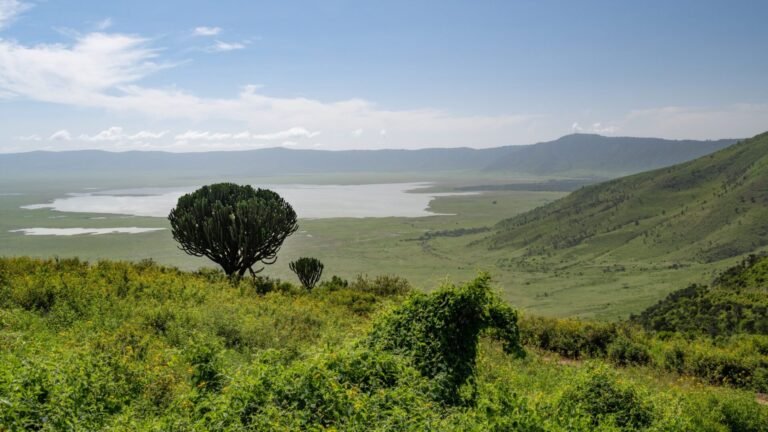
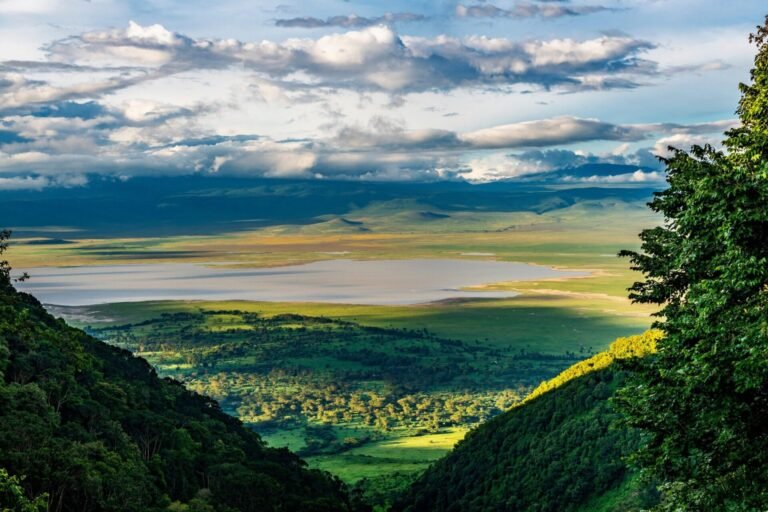
Ngorongoro Crater is the world's largest inactive, intact volcanic caldera, with a diameter of about 20 kilometers (12 miles) and a depth of approximately 600 meters (1,970 feet). It was formed millions of years ago when a massive volcano erupted and collapsed on itself, creating the unique and stunning landscape we see today.
Getting to Ngorongoro Crater
The closest major international airport to Ngorongoro Crater is Kilimanjaro International Airport (JRO) . From there, you can arrange a private transfer or join a guided tour that includes transportation to the crater. Many visitors also combine a visit to Ngorongoro Crater with a safari in the nearby Serengeti National Park.
Best Things to Do
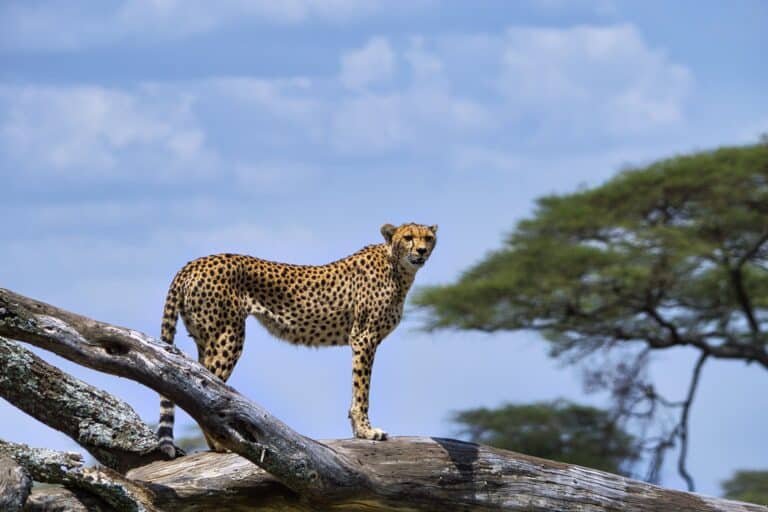
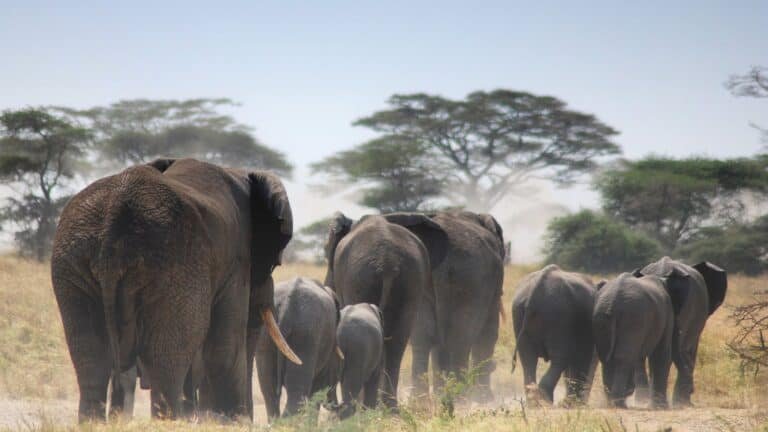
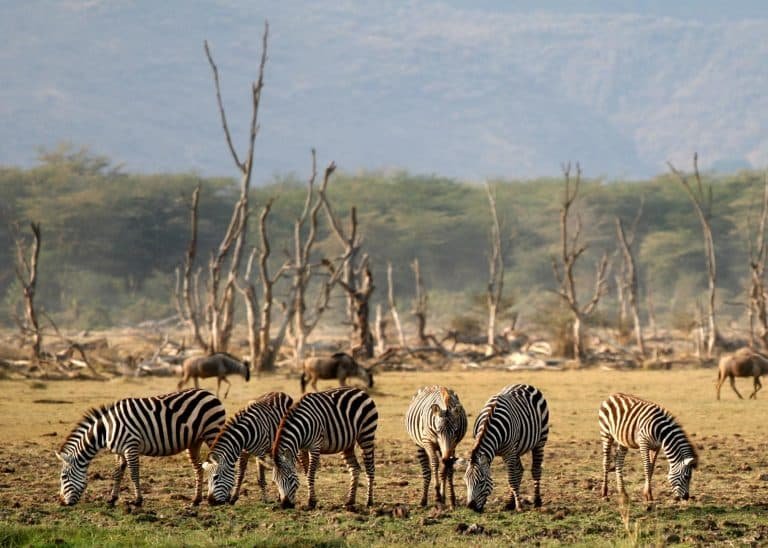
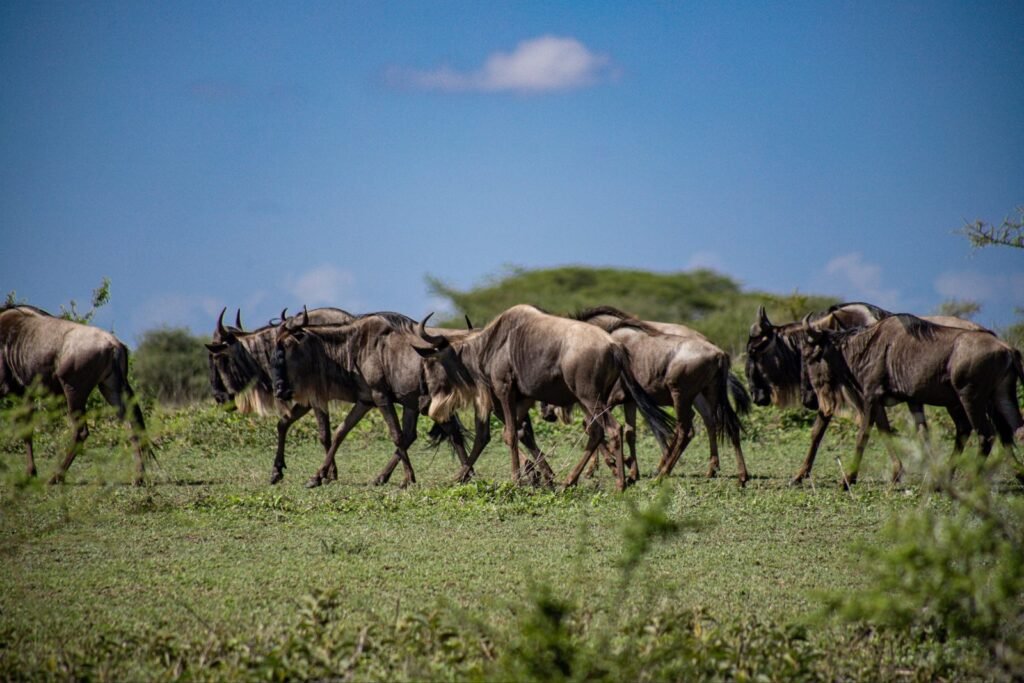
Game Drives: The primary activity in Ngorongoro Crater is game drives. With the dense concentration of wildlife, you'll have excellent opportunities to spot the "Big Five" and other fascinating animals.
Maasai Cultural Experience: Interact with the local Maasai people and learn about their traditional way of life, customs, and traditions.
Olduvai Gorge: Visit the Olduvai Gorge, located within the Ngorongoro Conservation Area, which is famous for its paleontological findings and the discovery of early human remains.
When to go
Best time to visit
The Ngorongoro Crater can be visited year-round, but the best time to go depends on your preferences. The dry season, from June to October, is the most popular time for game viewing as the animals gather around the crater's water sources. However, this period is also the peak tourist season. The wet season, from November to May, offers lush green scenery, fewer crowds, and the opportunity to see newborn animals. However, the rain can make the roads more challenging to navigate.
Average daytime high in °C · average monthly rainfall in mm
Trip ideas
Safaris that visit Ngorongoro Crater
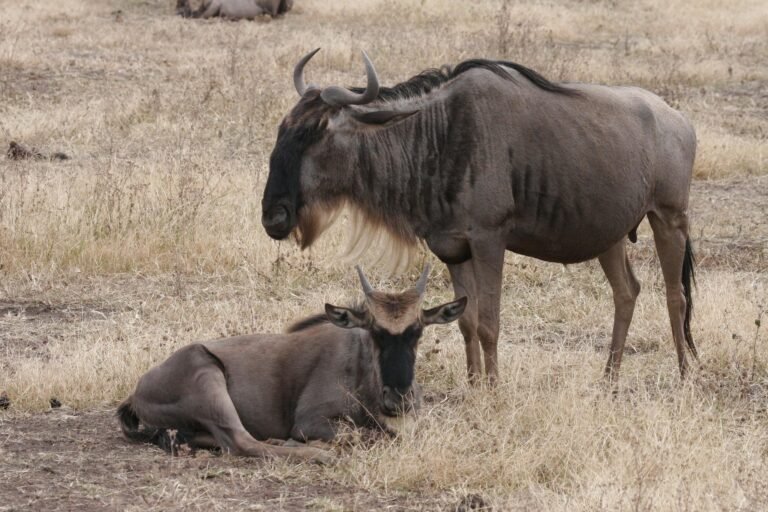 Tanzania · 6 days6 Day Safari Tanzania: Calving Season in Ndutu & SerengetiFrom $5,760 per person
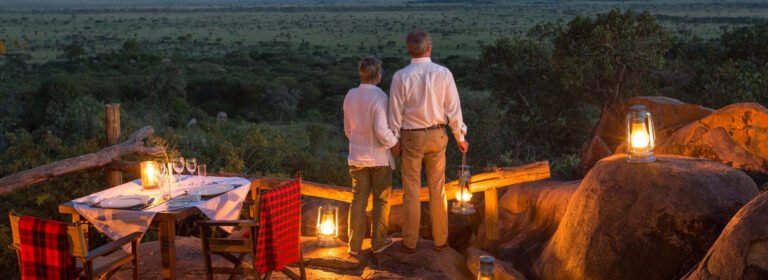 Tanzania · 12 days12 Days Luxury Tanzania SafariFrom $14,600 per person
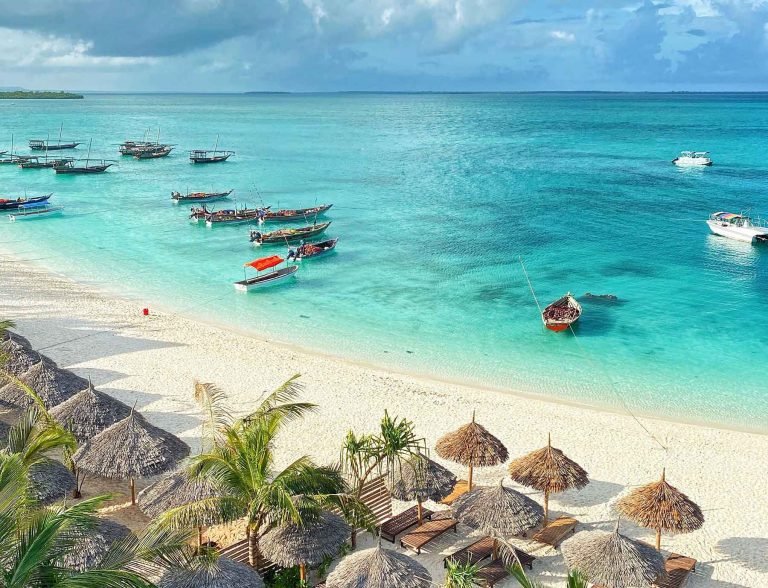
 Tanzania · 10 days10 Days Tanzania Honeymoon Safari & Zanzibar Beach HolidayFrom $12,000 per person
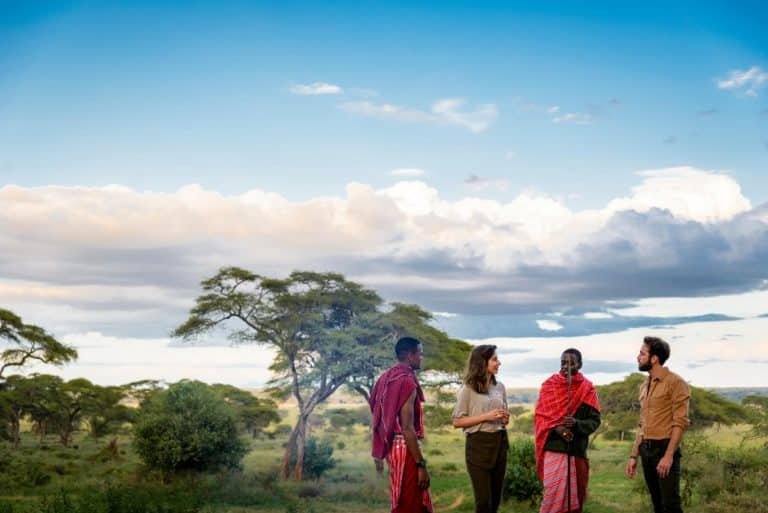 Tanzania · 5 days5 Days Safari & Cultural VisitFrom $2,390 per person
 Tanzania · 8 days8 Days Tanzania Honeymoon Safari & Zanzibar Beach HolidayFrom $3,200 per personTanzania · 6 days6 Days: Tanzania All Inclusive Safari-Calving SeasonFrom $5,760 per person
Where to stay
Camps & lodges in Ngorongoro Crater
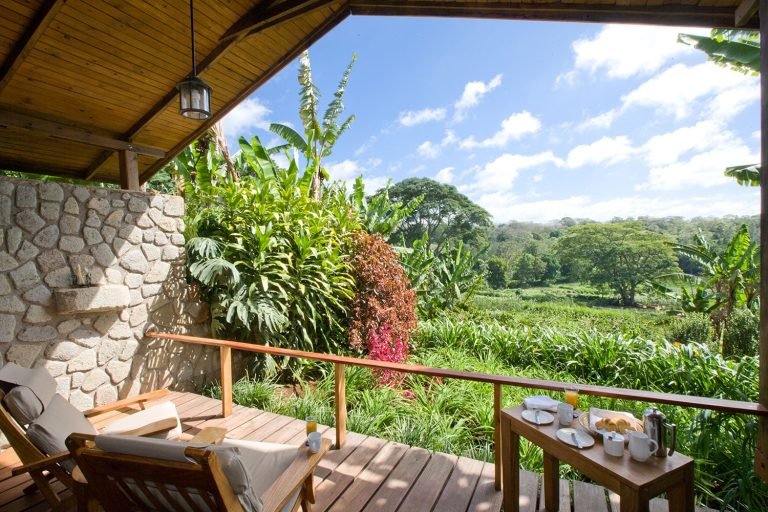 Ngorongoro Crater · LodgeGibb’s FarmMid-Luxury
 Ngorongoro Crater · HotelMeliá Ngorongoro LodgeMid-Luxury
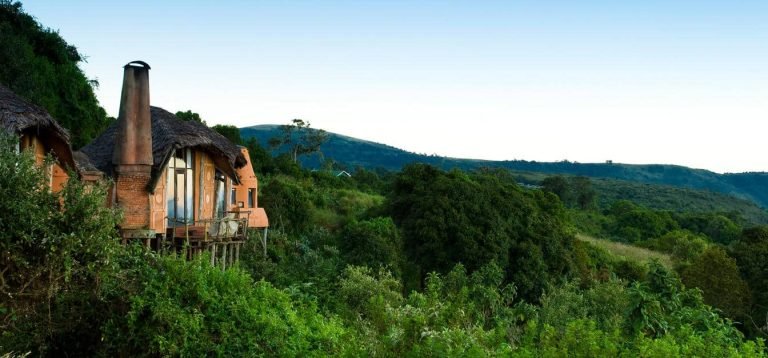 Ngorongoro Crater · LodgeNgorongoro Crater LodgeMid-Luxury
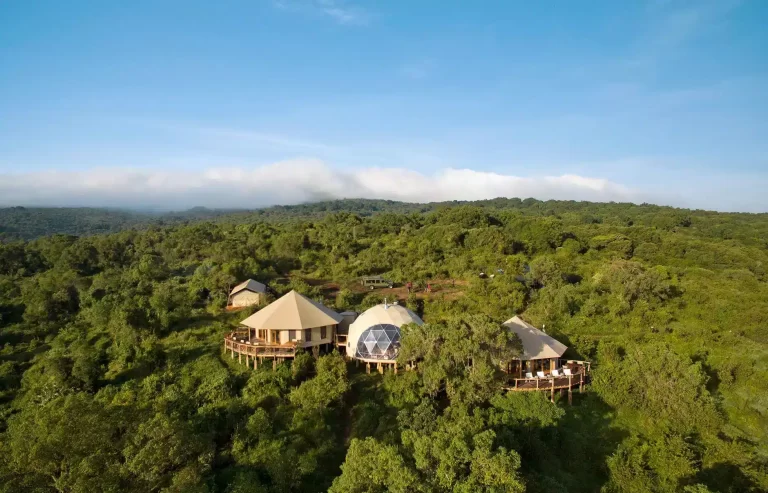 Ngorongoro Crater · LodgeThe Highlands Lodge in NgorongoroMid-Luxury
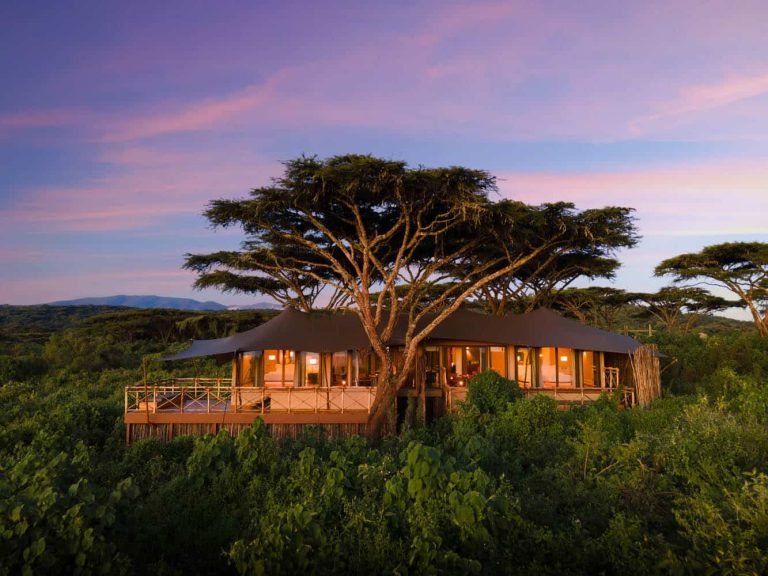 Ngorongoro Crater · LodgeThe wilderness collection NgorongoroMid-Luxury
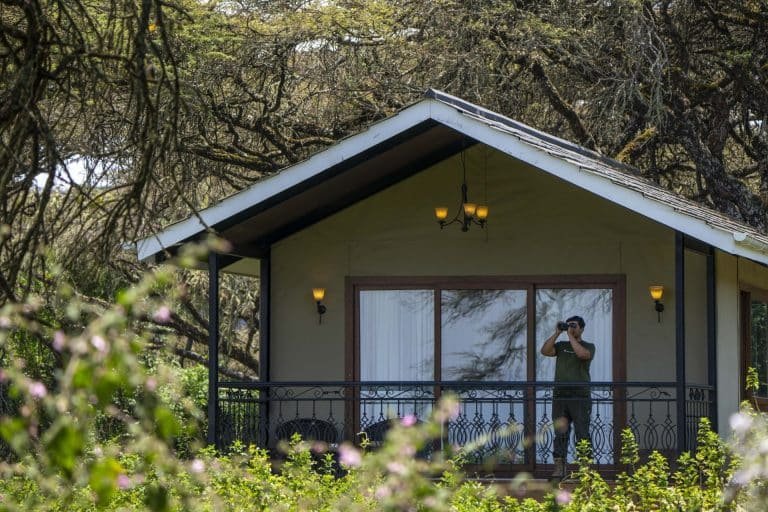 Ngorongoro Crater · LodgeNgorongoro Lion’s PawLuxury
Things to do
Experiences in Ngorongoro Crater
Good to know
01.Weather & climate
Ngorongoro Crater experiences a pleasant climate throughout the year. The area has a highland climate, characterized by cool temperatures due to the altitude. The average temperatures range between 10°C to 20°C (50°F to 68°F) during the day. Evenings and early mornings can be colder, dropping to around 5°C (41°F). The region experiences two rainy seasons, with the long rains from March to May and the short rains from November to December.
02.Highlights
- Top wildlife viewing all year round
- Superb for spotting predators
- Black rhino is easily seen
03.Things to consider
- The crater gets very crowded throughout the year
- Entrance to the crater is very expensive
04.When is high season?
High season here runs july to March. Camps book up early in these months, so plan ahead, or travel either side for quieter parks and better rates.
Talk to someone who’s been there
Our travel specialists are based in Arusha, with deep local knowledge and a passion for East Africa. Tell us how you like to travel and we’ll plan the right parks, camps and timing for you.
Make an enquiry
Plan your safari with an expert
Our team of travel specialists are waiting to help you book your next adventure.
Keep exploring