Kenya
Amboseli National Park
Best time to visit: June – October & January – February
About Amboseli National Park
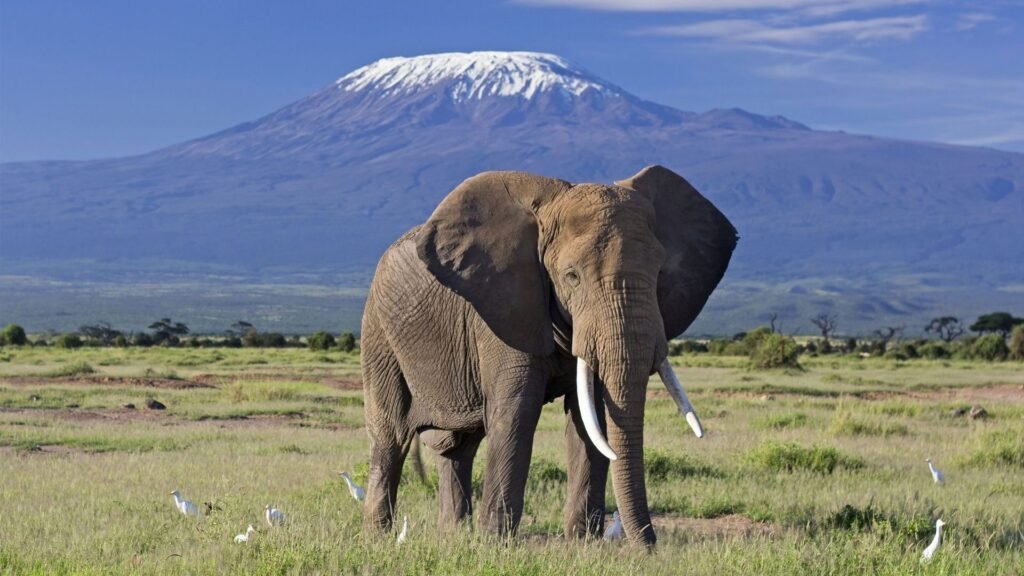
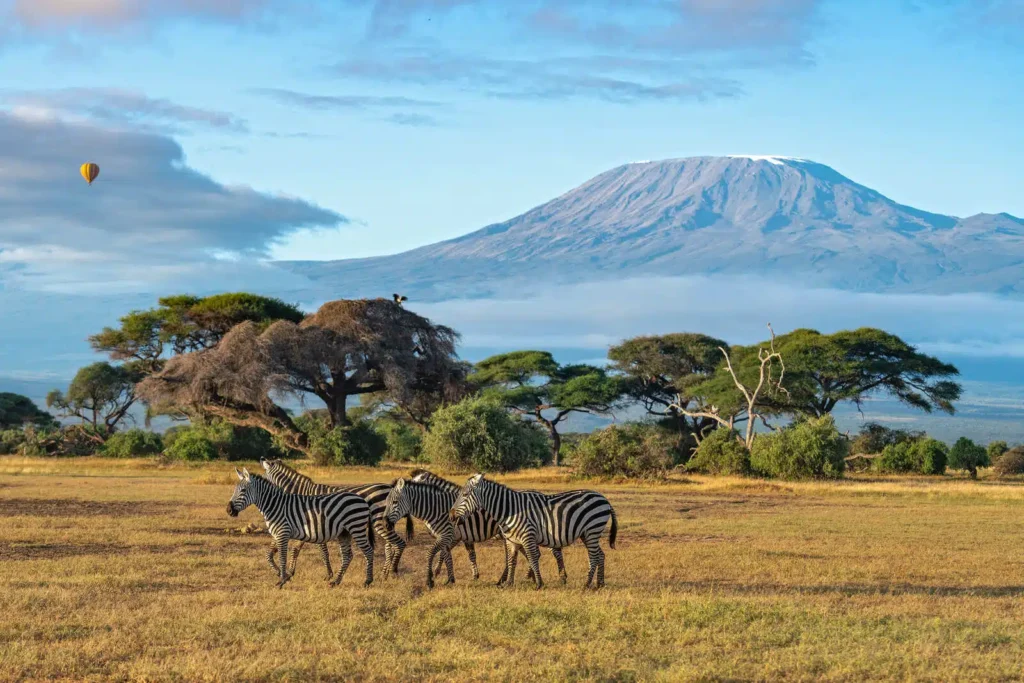
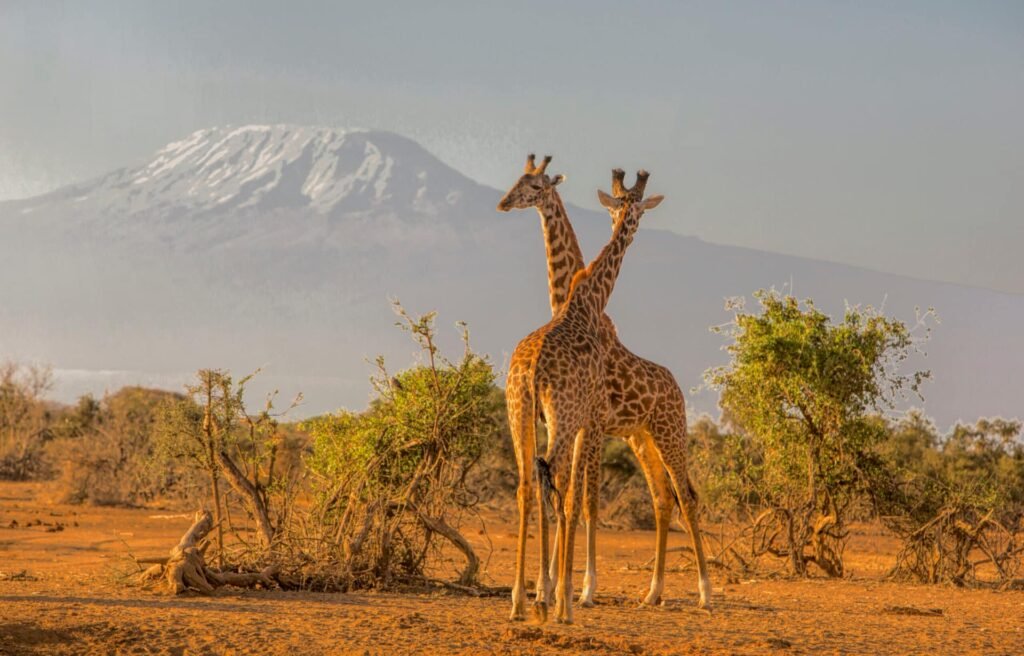
Amboseli National Park is one of Kenya’s most visually striking safari destinations, located in the southern part of the country near the Tanzania border. It is most famous for its dramatic backdrop of Mount Kilimanjaro, the highest free-standing mountain in the world, which rises across the border in Tanzania and creates one of the most photographed safari scenes in Africa. The park’s landscape is a mix of open plains, acacia woodland, swamps, and seasonal lakes that are fed by underground water from Kilimanjaro’s melting snow.
The park is particularly renowned for its large elephant herds, some of the most studied and well-protected in Africa. These elephants are known for their impressive tusks and calm behavior, often seen moving gracefully across the plains or bathing in the swampy wetlands. Because of the open terrain, Amboseli offers some of the best elephant photography opportunities in the world, making it a favorite for wildlife photographers and filmmakers.
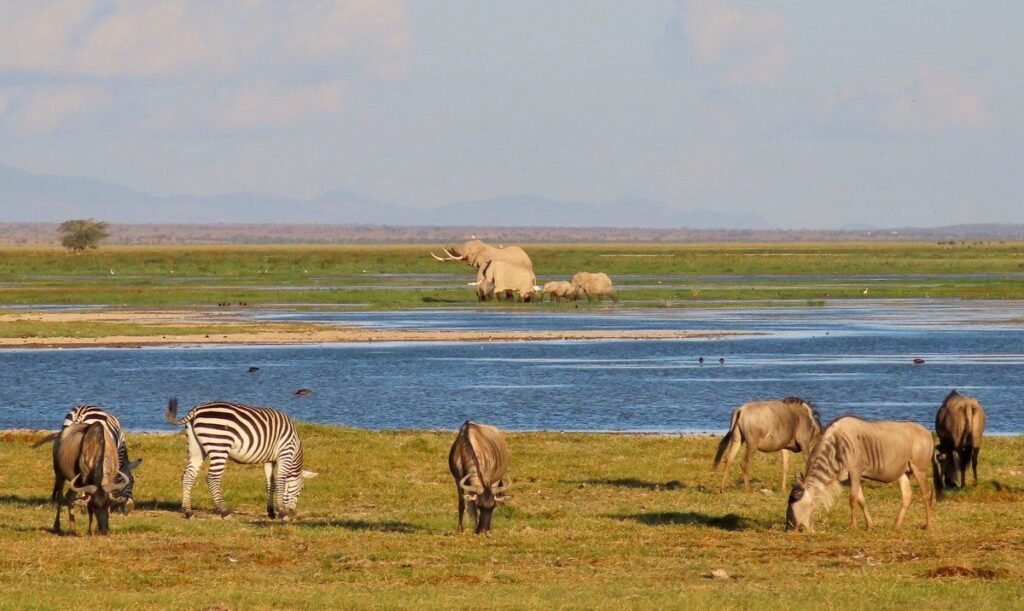
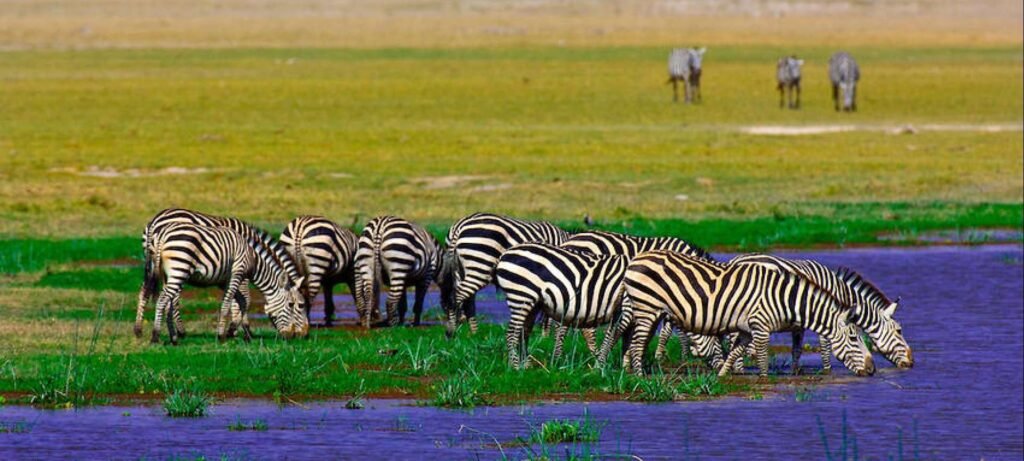
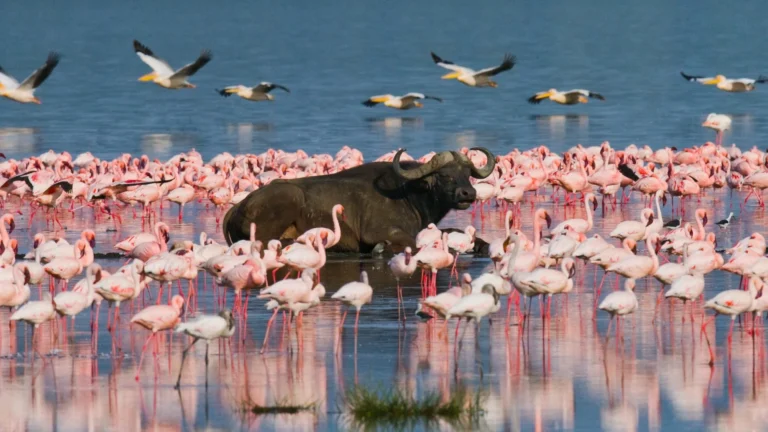
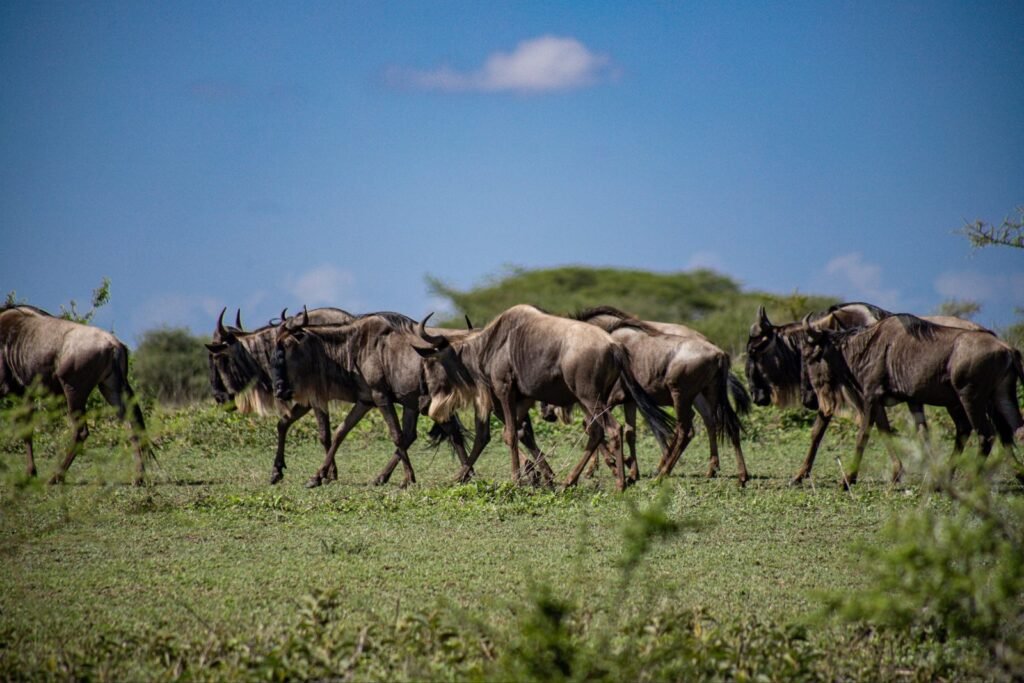
Beyond elephants, Amboseli also supports a rich variety of wildlife including lions, cheetahs, hyenas, giraffes, zebras, wildebeest, and over 400 bird species. The Maasai communities living around the park add a strong cultural dimension, allowing visitors to experience traditional Maasai lifestyle, cattle culture, and community-based tourism that blends conservation with local heritage.
When to go
Best time to visit
Amboseli is best visited during the dry seasons when wildlife gathers around shrinking water sources, making animals easier to observe in large numbers. During these months, the skies are usually clear, offering the best chances to view Mount Kilimanjaro without cloud cover. The wet seasons bring lush green scenery and fewer tourists, but wildlife may spread out due to abundant water availability.

Trip ideas
Safaris that visit Amboseli National Park
Where to stay
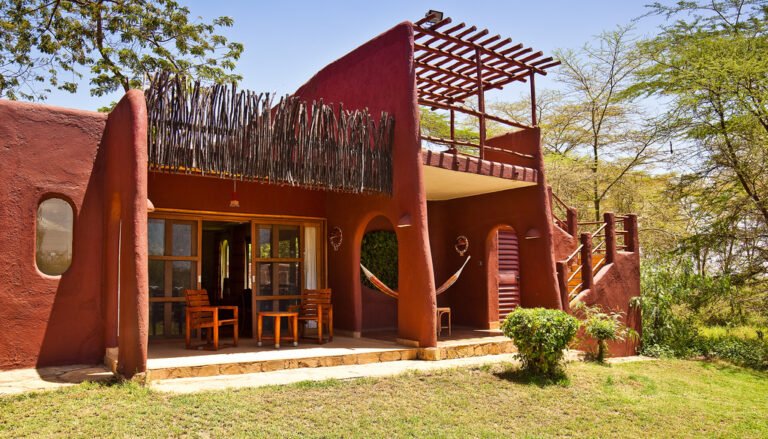
Camps & lodges in Amboseli National Park
Good to know
01.Weather & climate
Amboseli experiences a semi-arid climate characterized by warm temperatures throughout the year and relatively low rainfall. The dry seasons are dusty but ideal for wildlife viewing, as animals concentrate around permanent swamps fed by Kilimanjaro’s underground water system. Early mornings are often cool and clear, while afternoons can become hot and dry.
Overall, the climate in Amboseli creates a highly reliable safari environment where wildlife viewing is excellent almost all year. The combination of open landscapes, predictable animal movement, and the dramatic presence of Mount Kilimanjaro makes it one of Kenya’s most iconic and visually rewarding safari parks.
02.When is high season?
High season here runs july, August, September, December, January. Camps book up early in these months, so plan ahead, or travel either side for quieter parks and better rates.
Talk to someone who’s been there
Our travel specialists are based in Arusha, with deep local knowledge and a passion for East Africa. Tell us how you like to travel and we’ll plan the right parks, camps and timing for you.
Make an enquiry
Plan your safari with an expert
Our team of travel specialists are waiting to help you book your next adventure.
Keep exploring
More places in Kenya
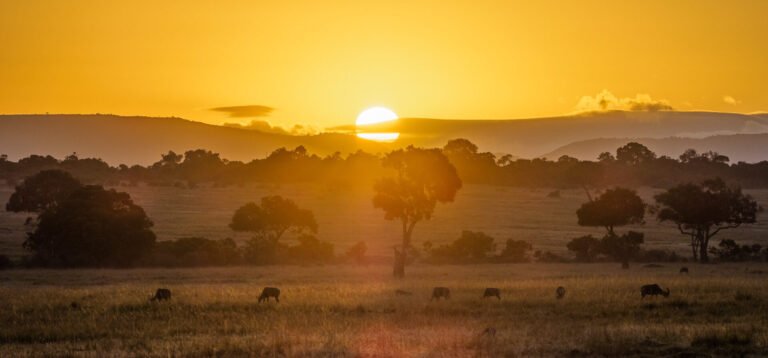 Best time · July – October (Migration season)Maasai Mara National Reserve
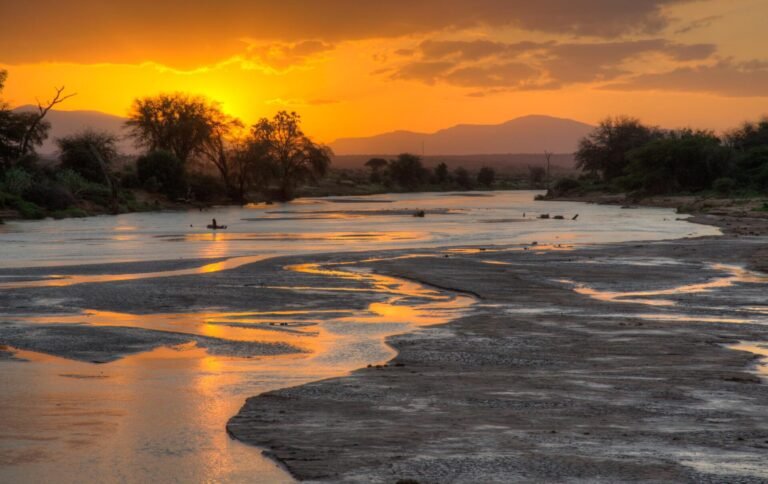 Best time · June – October & December – MarchSamburu National Reserve
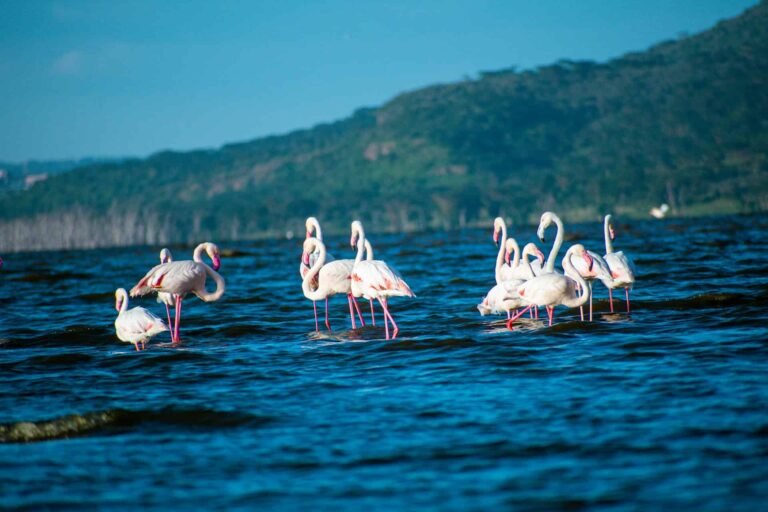 Best time · June – March (dry and stable conditions)Lake Nakuru National Park
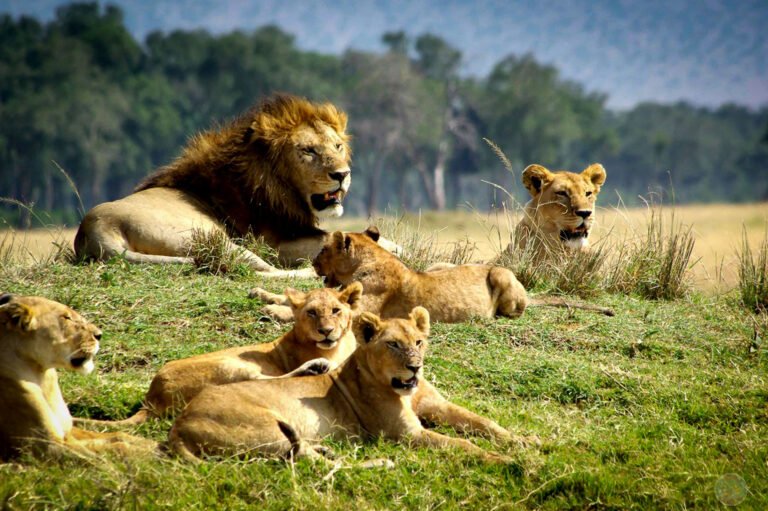 Best time · June – October & January – FebruaryTsavo National Park
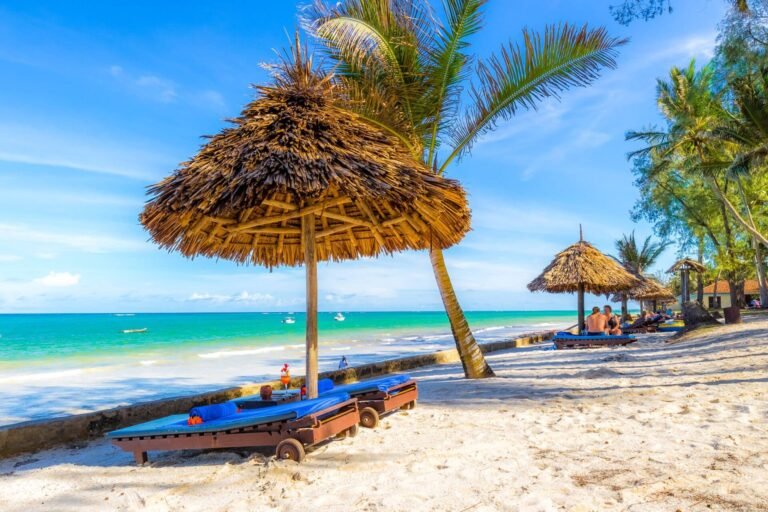 Best time · December – March & July – OctoberDiani Beach
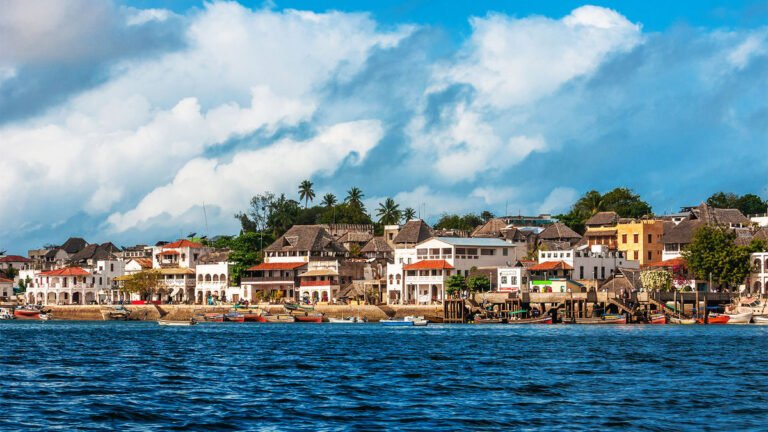 Best time · December – March & July – OctoberLamu Island