Tanzania
Tarangire National Park
Best time to visit: June to October
About Tarangire National Park
Located about 150 km from Arusha town, Tarangire National Park can be conveniently reached within a 2-hour car journey. It is also accessible from the nearby Lake Manyara National Park, which is just 50 km away.
What are the best things to do?
There are several fun activities that you can indulge in while visiting the Tarangire National Park, such as:
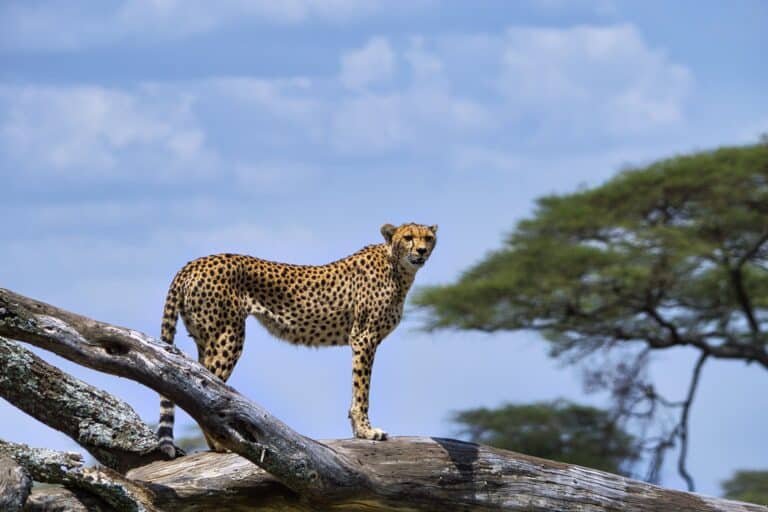
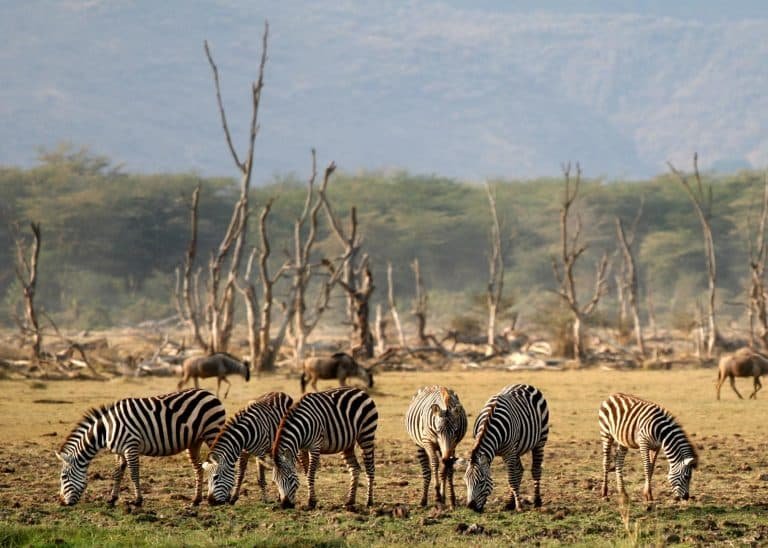
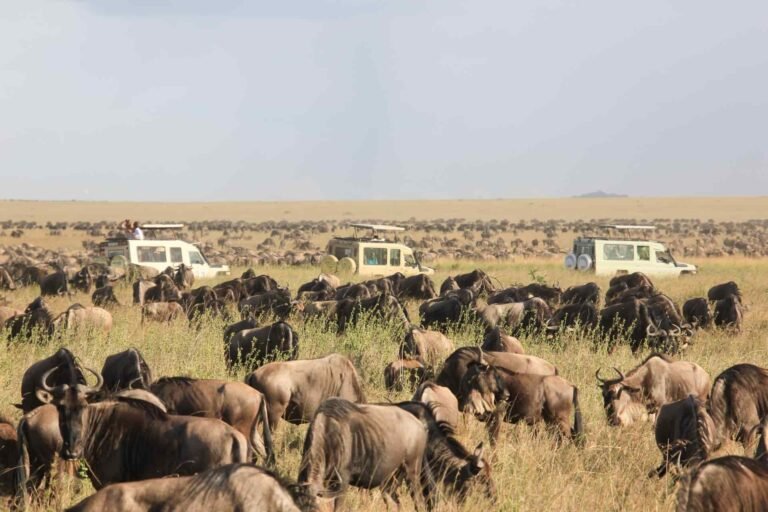
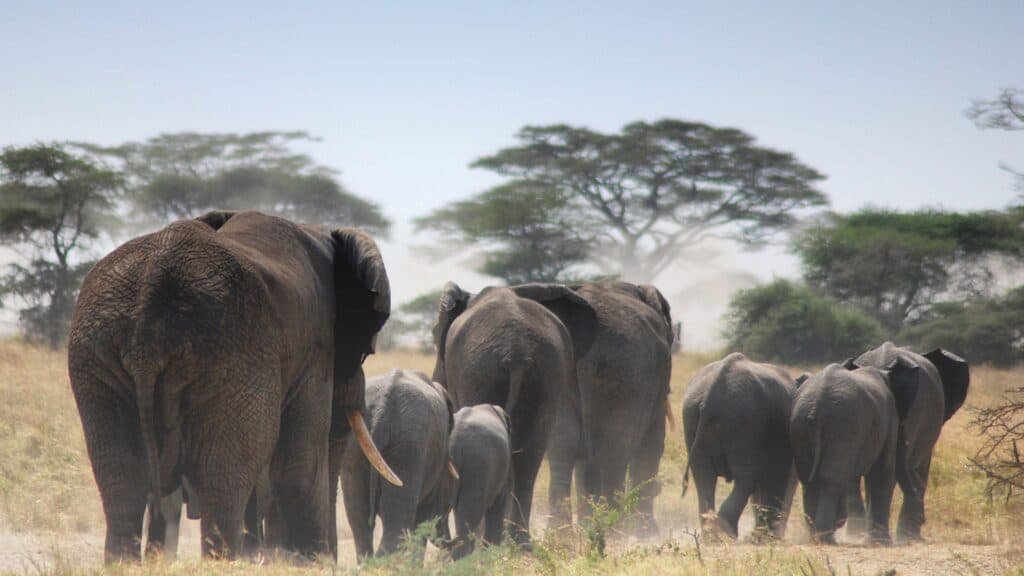
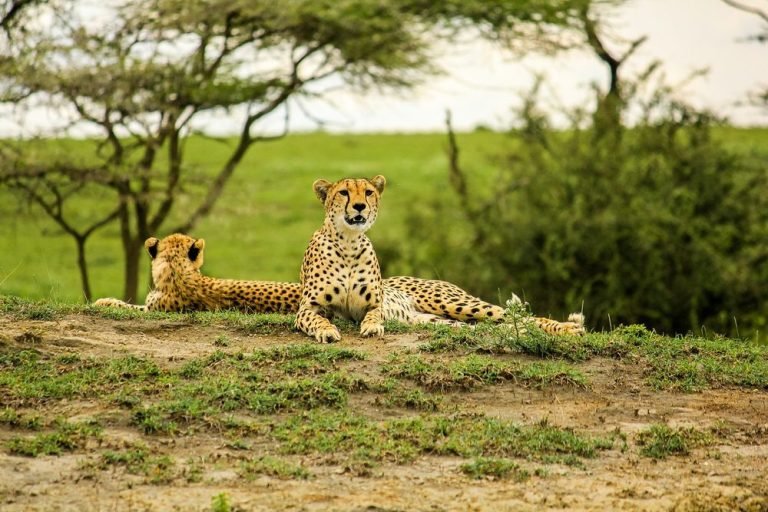
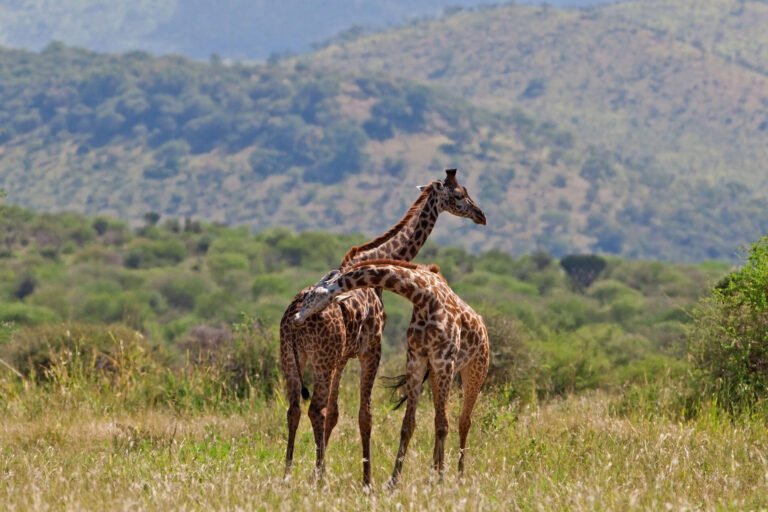
Game Drives -Embark on an exhilarating open-roof game drive through Tarangire Park to discover diverse wildlife, such as elephants, lions, buffalos, giraffes, zebras, and more.
Walking Safari - Experience the Tarangire wilderness up close with a thrilling guided walking safari.
Bird Watching - Tarangire National Park is a birdwatcher's paradise with more than 500 bird species, making it an ideal destination for enthusiasts.
When to go
Best time to visit
The best time to visit Tarangire National Park is between June to October when the dry season is about to start. During this season, the wildlife comes out in the open to find waterholes, providing tourists with incredible animal-sighting opportunities.
Average daytime high in °C · average monthly rainfall in mm

Trip ideas
Safaris that visit Tarangire National Park
 Tanzania · 12 days12 Days Luxury Tanzania SafariFrom $14,600 per person
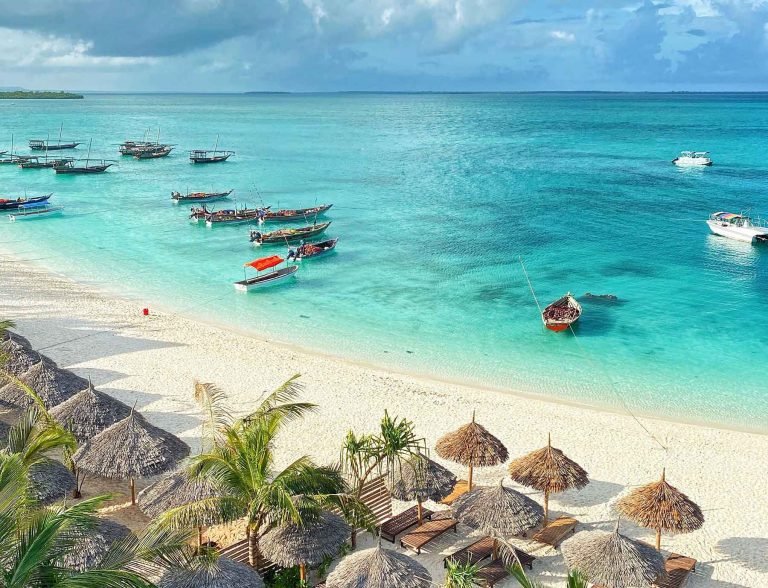
 Tanzania · 10 days10 Days Tanzania Honeymoon Safari & Zanzibar Beach HolidayFrom $12,000 per person
 Tanzania · 8 days8 Days Tanzania Honeymoon Safari & Zanzibar Beach HolidayFrom $3,200 per person
 Tanzania · 12 days12 Days: From Bush to Beach RelaxationFrom $11,500 per person
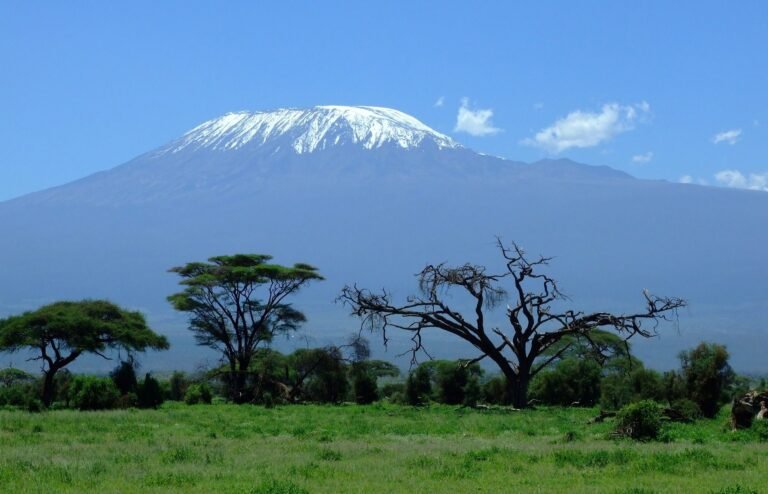
 Tanzania · 16 days15-Day Kilimanjaro Climb, Safari & Zanzibar Beach HolidayFrom $8,470 per person
 Tanzania · 6 days6-day Tanzania honeymoon safariFrom $2,152 per person
Where to stay
Camps & lodges in Tarangire National Park
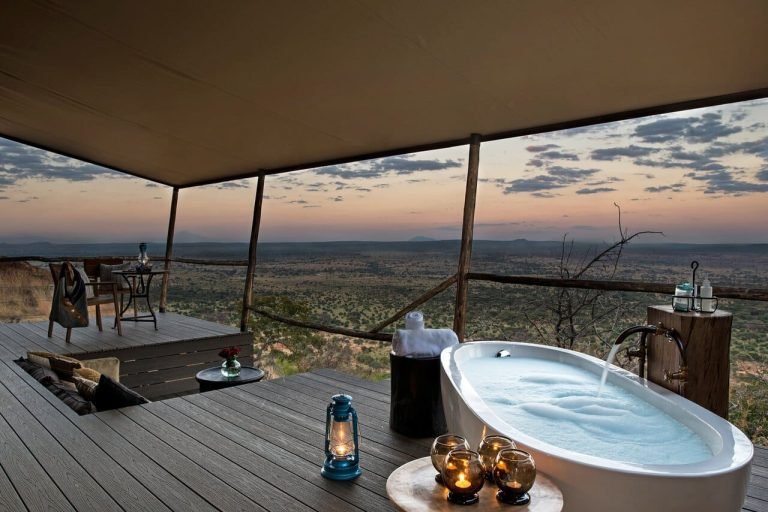 Tarangire National Park · LodgeLemala Mpingo Ridge LodgeMid-Luxury
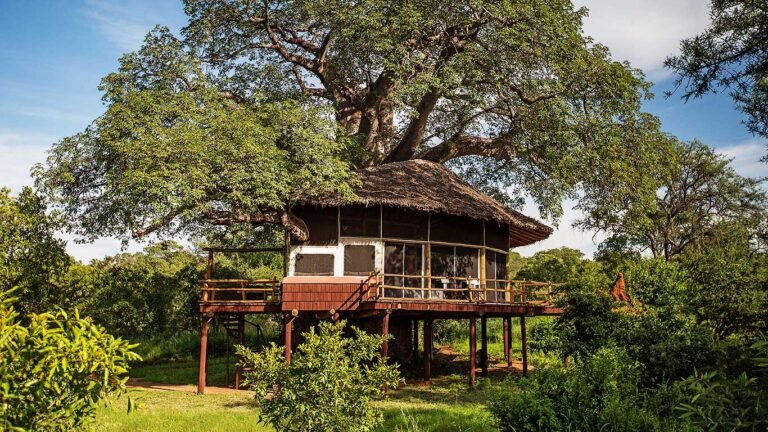 Tarangire National Park · LodgeTarangire TreetopsLuxury
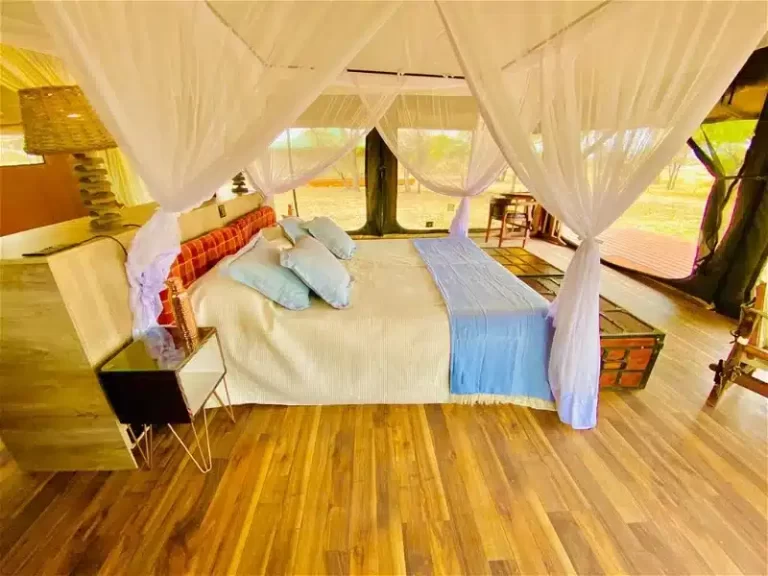 Tarangire National Park · Tented CampHoneyguide Tarangire CampMid-Luxury
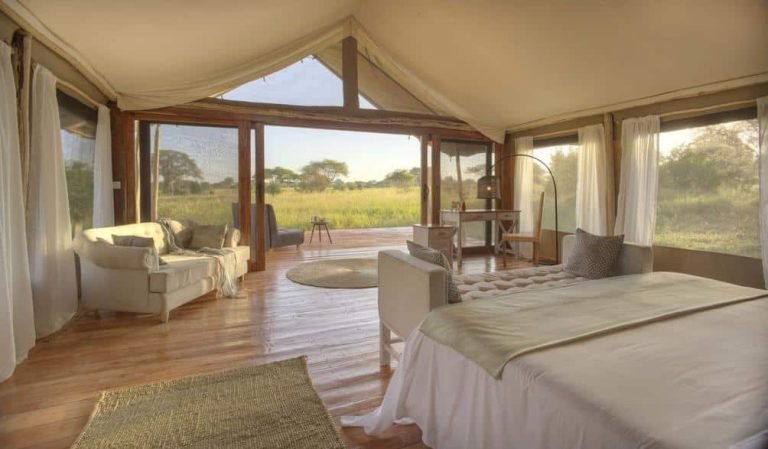 Tarangire National ParkTarangire Ndovu Tented Lodge
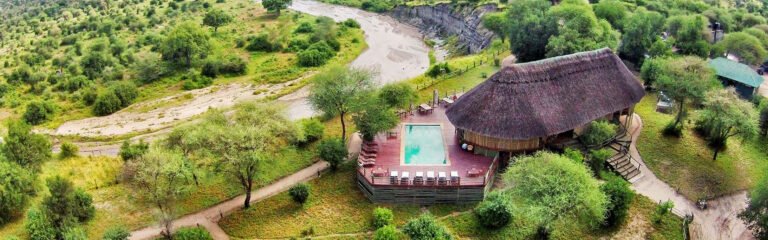 Tarangire National Park · LodgeTarangire river campMid-Luxury
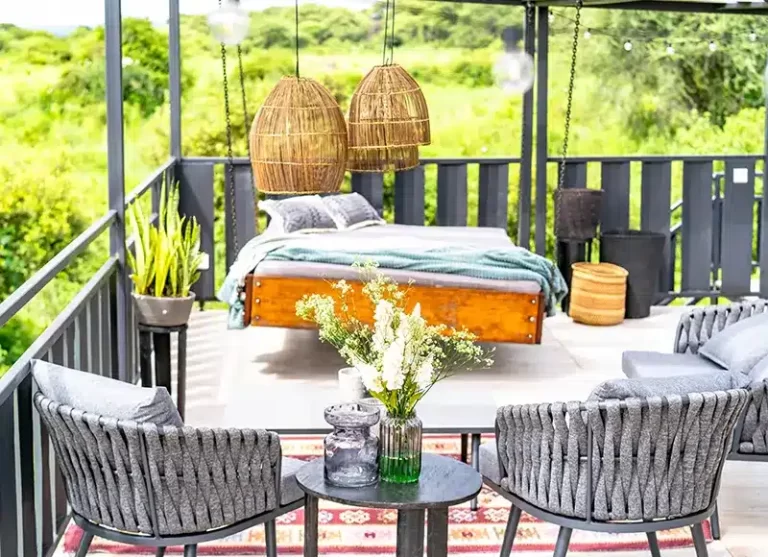 Tarangire National Park · LodgeElephant LodgeLuxury
Things to do
Experiences in Tarangire National Park
Good to know
01.Weather & climate
The weather and climate in Tarangire National Park can be divided into two main seasons: the Dry season and the Wet season. Each season offers a unique experience in terms of weather conditions and wildlife sightings. Here is an overview of the weather and climate throughout the year:
Dry Season (June to October):
- The Dry season is characterized by warm and sunny weather with very little rainfall.
- The temperatures during the day range from 25°C to 30°C (77°F to 86°F), and it can get cooler at night.
- The vegetation becomes drier, making it easier to spot wildlife as they gather around water sources, such as the Tarangire River.
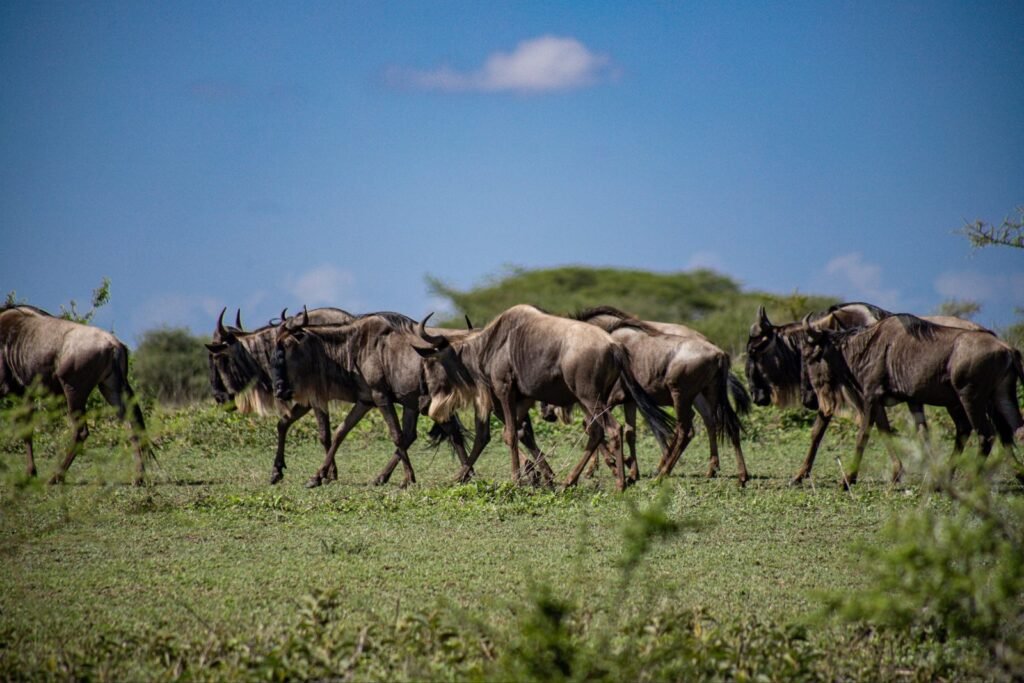
- This season is considered the peak wildlife-viewing period, with large herds of elephants, zebras, wildebeests, giraffes, and other animals congregating in the park.
Wet Season (November to May):
- The Wet season is characterized by intermittent rainfall, with the highest amounts typically experienced from March to May.
- The temperatures during this season remain warm, ranging from 20°C to 28°C (68°F to 82°F).
- The park transforms into lush greenery, with flourishing vegetation and blooming flowers, making it a beautiful time for photography and birdwatching.
- The rainfall can temporarily limit access to some areas of the park, and wildlife may disperse as water becomes more widely available.
- However, this season offers lower visitor numbers and the opportunity to see newborn animals and migratory bird species.
It is essential to note that weather patterns can vary from year to year. Therefore, it's always a good idea to check the specific weather forecasts for your travel dates and consult with tour operators or travel experts to plan your visit accordingly.
02.When is high season?
High season here runs june to October. Camps book up early in these months, so plan ahead, or travel either side for quieter parks and better rates.
Talk to someone who’s been there
Our travel specialists are based in Arusha, with deep local knowledge and a passion for East Africa. Tell us how you like to travel and we’ll plan the right parks, camps and timing for you.
Make an enquiry
Plan your safari with an expert
Our team of travel specialists are waiting to help you book your next adventure.
Keep exploring