When to go
Where to Go on Safari in February
Tanzania, Kenya and Rwanda in February: weather, wildlife and the best trips
East Africa in February
Safari in February
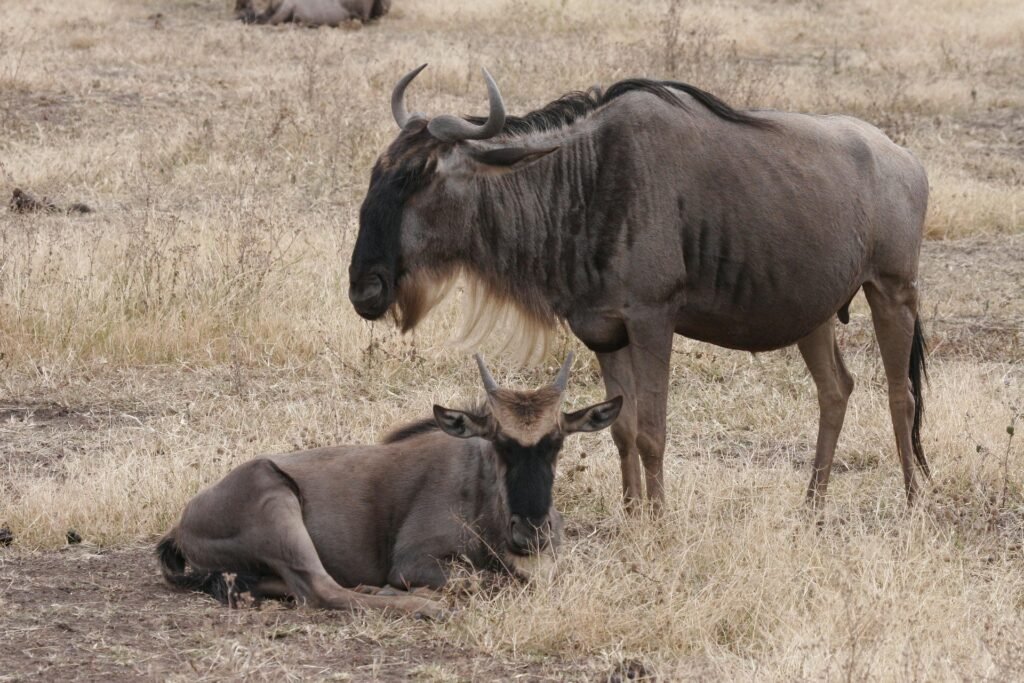
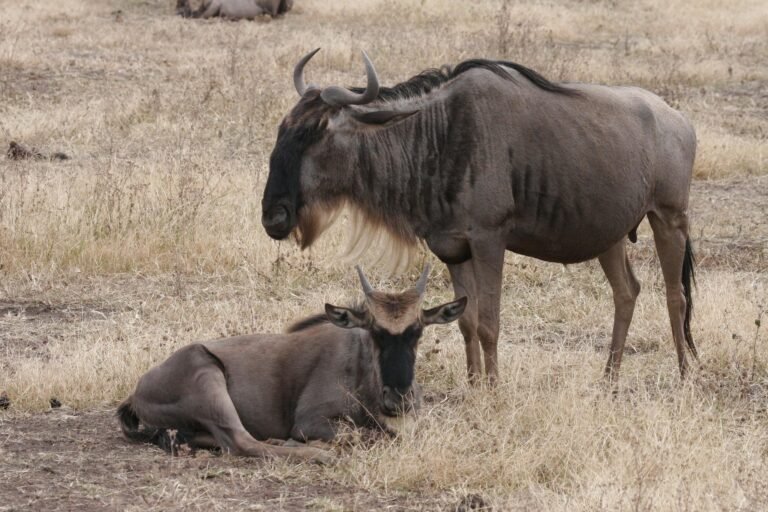
February is peak calving season. Hundreds of thousands of wildebeest calves are born on the southern Serengeti plains in a few short weeks, and predator action is at its most intense. Kenya stays hot and dry with excellent game viewing, Rwanda is still in its short dry season for gorilla trekking, and it is a great month to add a few days on Zanzibar.
February is the peak of the calving season, so spend at least three nights in the southern Serengeti. It is also a great month to finish on Zanzibar's beaches or to climb Kilimanjaro before the long rains.
 Tanzania
 Kenya
 Rwanda
Tanzania in February
February is the peak of the calving season, with thousands of wildebeest calves born every day on the southern plains. The concentration of young animals draws dramatic predator action, making it one of the most rewarding months for wildlife photography. It is the hottest month of the year, so pair your safari with a few days on Zanzibar, where the sea is calm and clear.
- High season
- Max. temperature 29°C
- Hot & humid
- Calving peak
- Zanzibar: best
Kenya in February
February continues the short dry season, with warm, sunny days and wildlife concentrated around rivers and waterholes. Samburu and Amboseli are excellent, the Maasai Mara is quiet before the long rains, and the coast is hot and calm.
- High season
- Warm & dry
- Wildlife at water
- Quieter parks
- Coast: great
Rwanda in February
February continues the short dry season, with warm days and comfortable trekking conditions. It is an excellent month for gorillas and golden monkeys in the Virungas and for chimpanzee trekking in Nyungwe.
- High season
- Warm & dry
- Gorillas & chimps
- Book permits early
Trip ideas
Best trips in February
 Tanzania · 6 days6 Days: Tanzania All Inclusive Safari-Calving SeasonFrom $5,760 per personTanzania · 6 days6 Day Safari Tanzania: Calving Season in Ndutu & SerengetiFrom $5,760 per person
 Kenya · 8 days8 Days Kenya Classic Safari AdventureFrom $5,700 per person
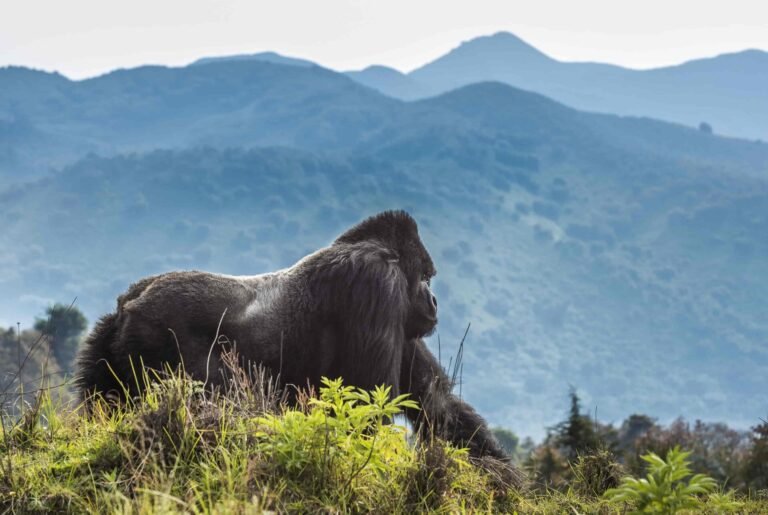 Rwanda · 4 days4 Days Gorilla Trek- RwandaFrom $6,560 per person
Good to know
February safari FAQs
Is February a good time for a safari?
February is one of the best months of the year. Calving peaks on the southern Serengeti plains, Kenya is hot and dry with excellent game viewing, and Rwanda is still in its short dry season.
Where is the Great Migration in February?
The herds are on the southern Serengeti and Ndutu plains. Most calves are born in a few weeks around February, and predator sightings are at their most intense.
What is the weather like in February?
February is usually hot and dry in northern Tanzania and Kenya, with clear skies. Short showers are possible, but they rarely affect game drives.
Is February good for gorilla trekking in Rwanda?
Yes. February is still Rwanda's short dry season, which makes the hikes in Volcanoes National Park easier and the weather more predictable.
Is February a busy or expensive time to travel?
February is high season in the Serengeti calving areas, with high-season rates. Camps near Ndutu are limited, so booking early is important.
Plan your safari
Planning a safari in February?
Tell us your dates and what you'd love to see, and our team in Arusha will suggest the right parks, camps and timing.
Plan my safari