Tanzania
Nyerere National Park
Best time to visit: June to October
About Nyerere National Park
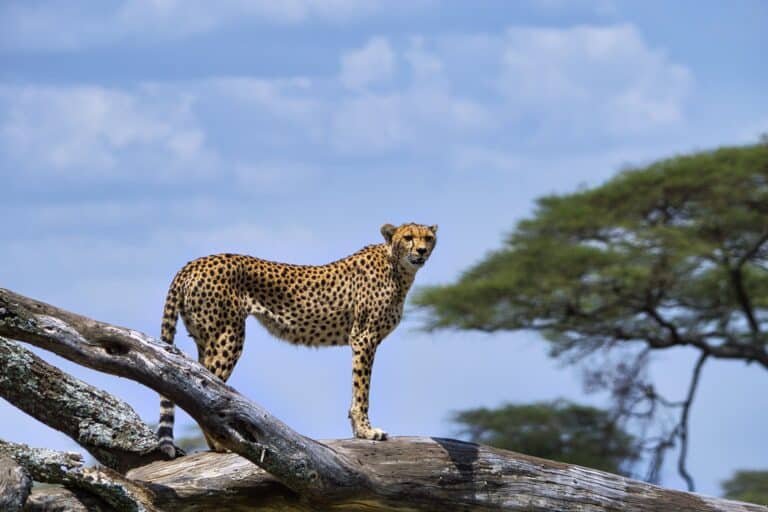
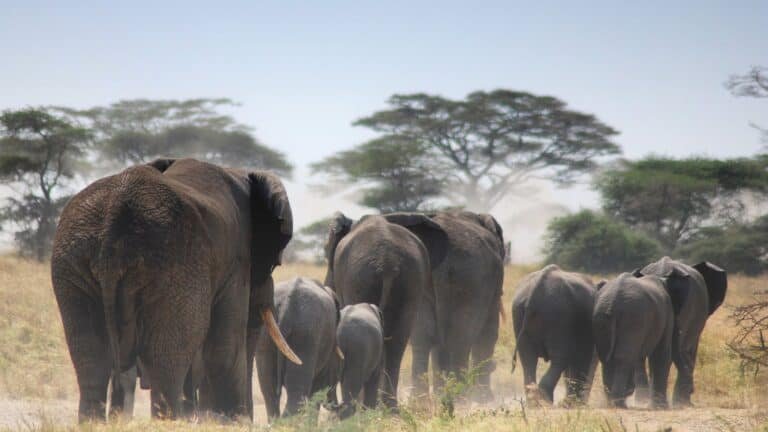
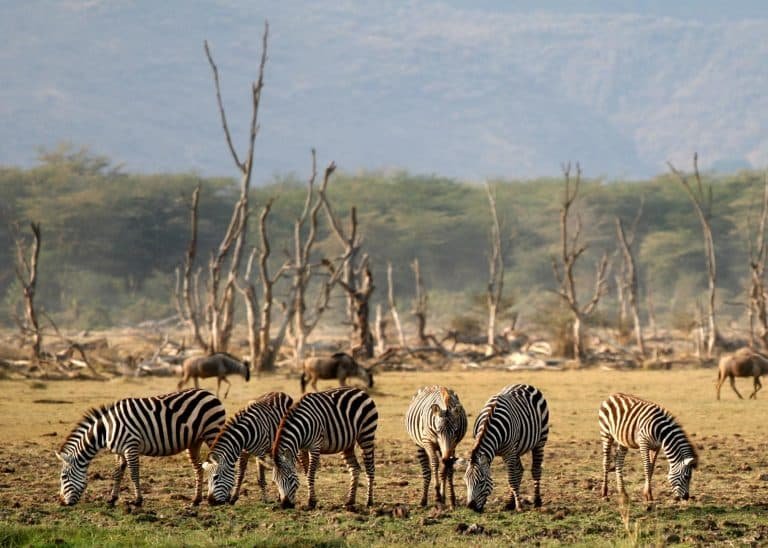
Nyerere National Park is renowned for its rich biodiversity and wilderness, offering visitors an authentic African safari experience. The park is home to a wide array of wildlife, including elephants, lions, leopards, buffaloes, hippos, crocodiles, giraffes, zebras, and numerous bird species. The Rufiji River, which flows through the park, serves as a lifeline for the diverse ecosystems and provides opportunities for boat safaris and wildlife viewing.
How to Get There - Nyerere National Park
By Air
The closest major airport is Julius Nyerere International Airport (DAR) in Dar es Salaam. From there, you can take a connecting flight to airstrips within the park.
By Road
There are various entry points accessible by road from major cities like Dar es Salaam and Iringa. It's advisable to arrange for a guided tour or use a reliable transportation service due to the remote and vast nature of the park.
Safari Costs and Packages
Safari costs vary based on accommodation, duration, and the services offered. Generally, safari packages can range from budget-friendly to luxury experiences. Costs typically include accommodation, meals, game drives, and park fees.
Safari Accommodation in Nyerere National Park
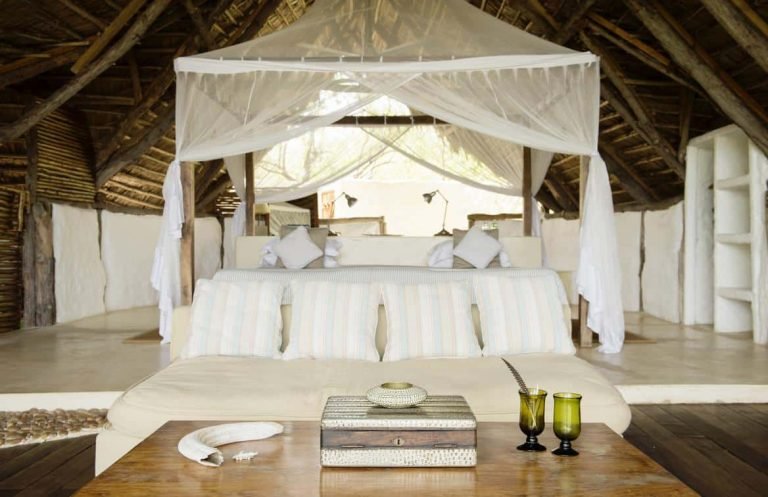
Nyerere National Park offers a range of accommodation options, including luxury lodges, tented camps, and budget-friendly campsites, catering to different preferences and budgets.
Attractions and Wildlife
Wildlife
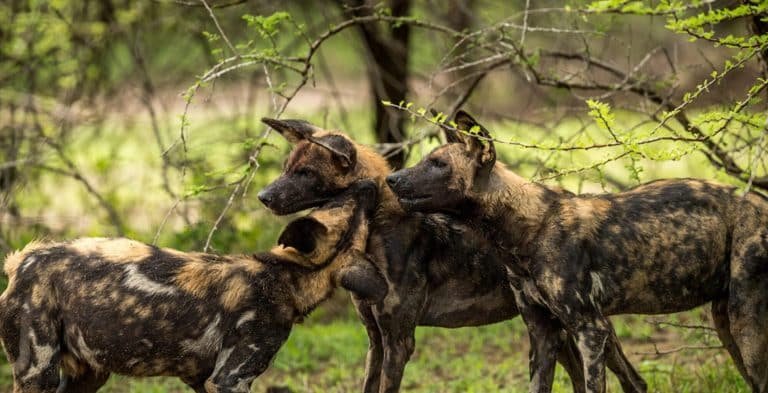
Elephants, lions, leopards, buffaloes, hippos, crocodiles, giraffes, zebras, various antelope species, and diverse birdlife.
Rufiji River
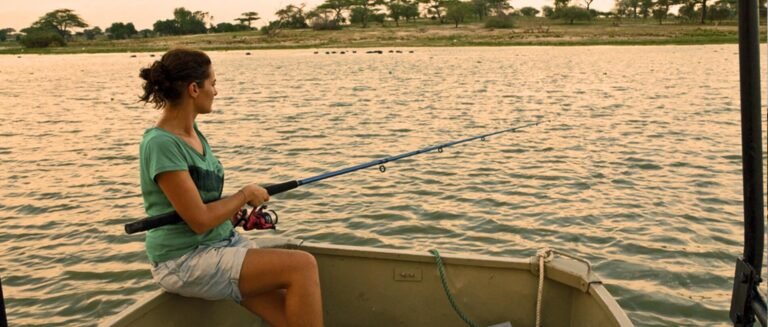
Offers boat safaris, fishing opportunities, and scenic beauty.
Stiegler's Gorge
A stunning geological feature within the park.
Best Things to Do
Game Drives
Explore the park on thrilling game drives to witness diverse wildlife, including lions, giraffes, zebras, buffaloes, and more.
Boat Safaris
Experience the Rufiji River on a boat safari, spotting hippos, crocodiles, and a myriad of bird species along its banks.
Walking Safaris
Guided walking tours offer a chance to explore the wilderness on foot, accompanied by experienced guides.
Bird Watching
Nyerere National Park is a paradise for bird enthusiasts, with over 400 bird species, including the iconic African fish eagle and colorful kingfishers.
When to go
Best time to visit
Best Time to Visit
The dry season, from June to October, is generally considered the best time to visit Nyerere National Park. During this period, wildlife congregates around water sources, making it easier to spot animals. However, the park is open year-round, and each season offers a unique experience.
Average daytime high in °C · average monthly rainfall in mm
Trip ideas
Safaris that visit Nyerere National Park
Where to stay
Camps & lodges in Nyerere National Park

Good to know
01.Weather & climate
The climate of Nyerere National Park (formerly Selous GR) can be described as warm to hot and humid. Being so close to the equator, temperatures are relatively consistent throughout the year. The period of October through March consists of the warmer months, while June to August are cooler.
Dry Season–June to October
June, July, August, September & October – Most days are full of sunshine and have a clear sky. Afternoon temperatures are usually around 28°C/82°F. Night temperatures drop to about 19°C/66°F.
Wet Season–November to May
In the Wet season, high temperatures are common, along with great humidity. Afternoons are usually around 29°C/84°F and nights drop to 22°C/72°F.
November & December – November is the beginning of the Wet season, although the exact start is hard to predict. Rainfall tends to be occasional and short (mostly in the afternoon) and probably won't hinder your safari.
January & February – It is further along in the rainy season, and there will be several days with short intervals of rain, usually in the afternoons. Daytime temperatures range close to 30°C/86°F, while night and early mornings average 22°C/72°F.
March, April & May – March and April are the rainiest months. Most days are wet, although it hardly ever rains for the entire day. The average maximum temp is usually 28°C/82°F and the minimum 21°C/69°F.
02.When is high season?
High season here runs june to October. Camps book up early in these months, so plan ahead, or travel either side for quieter parks and better rates.
Talk to someone who’s been there
Our travel specialists are based in Arusha, with deep local knowledge and a passion for East Africa. Tell us how you like to travel and we’ll plan the right parks, camps and timing for you.
Make an enquiry
Plan your safari with an expert
Our team of travel specialists are waiting to help you book your next adventure.
Keep exploring