Tanzania
Mount Kilimanjaro
Best time to visit: January to March
About Mt. Kilimanjaro
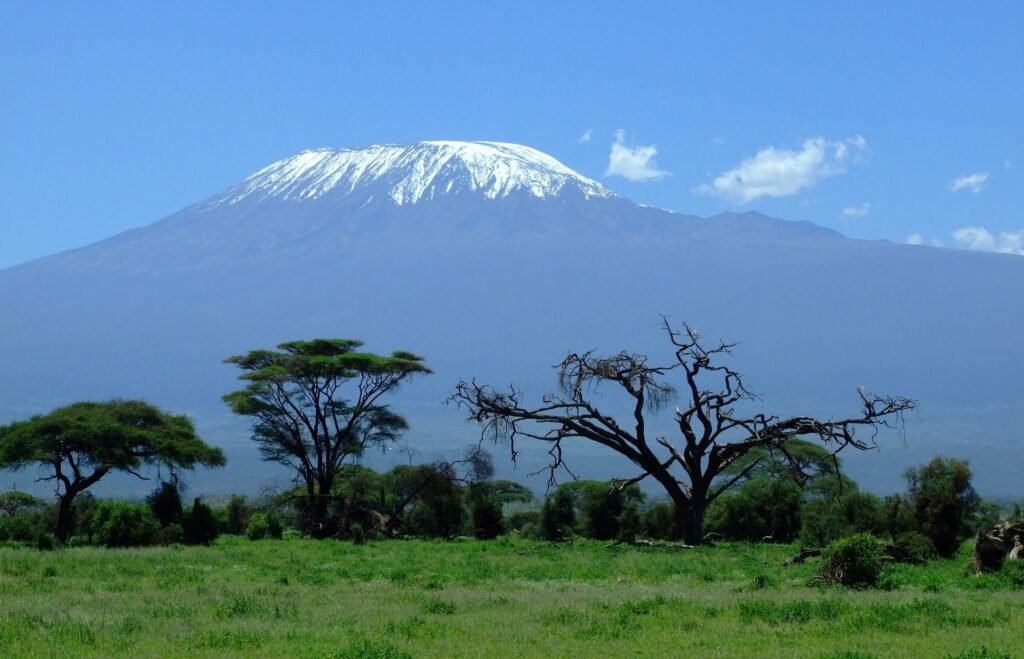
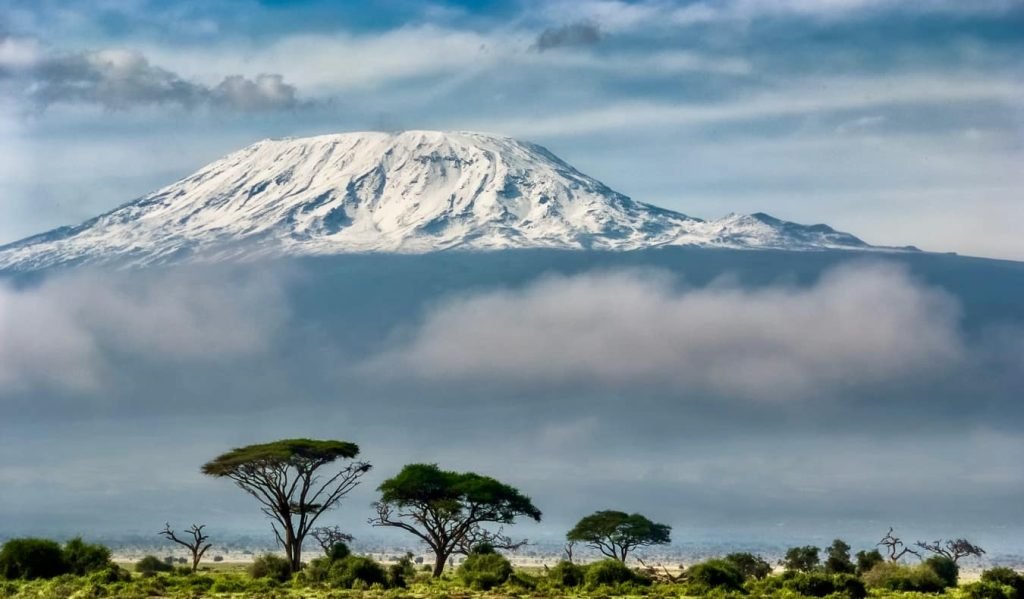
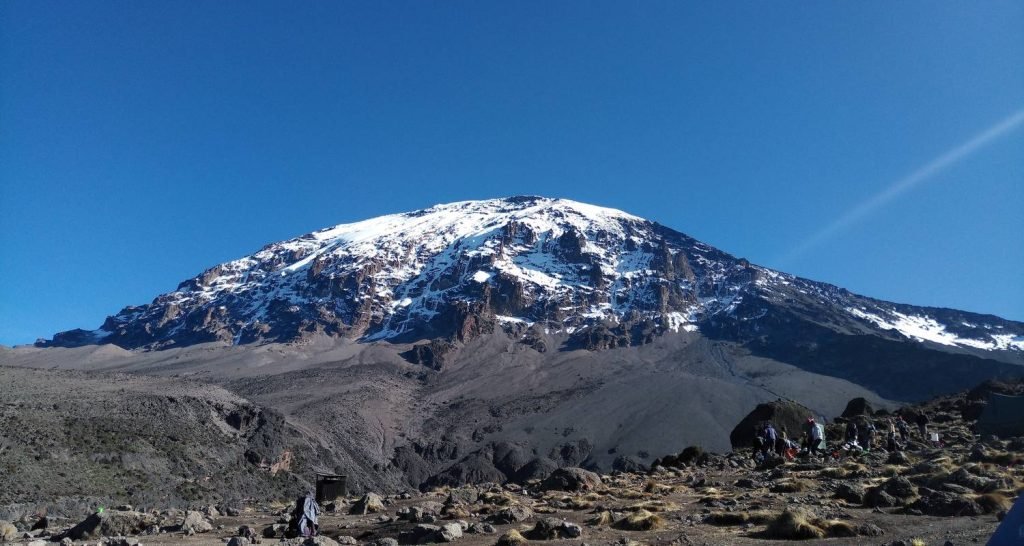
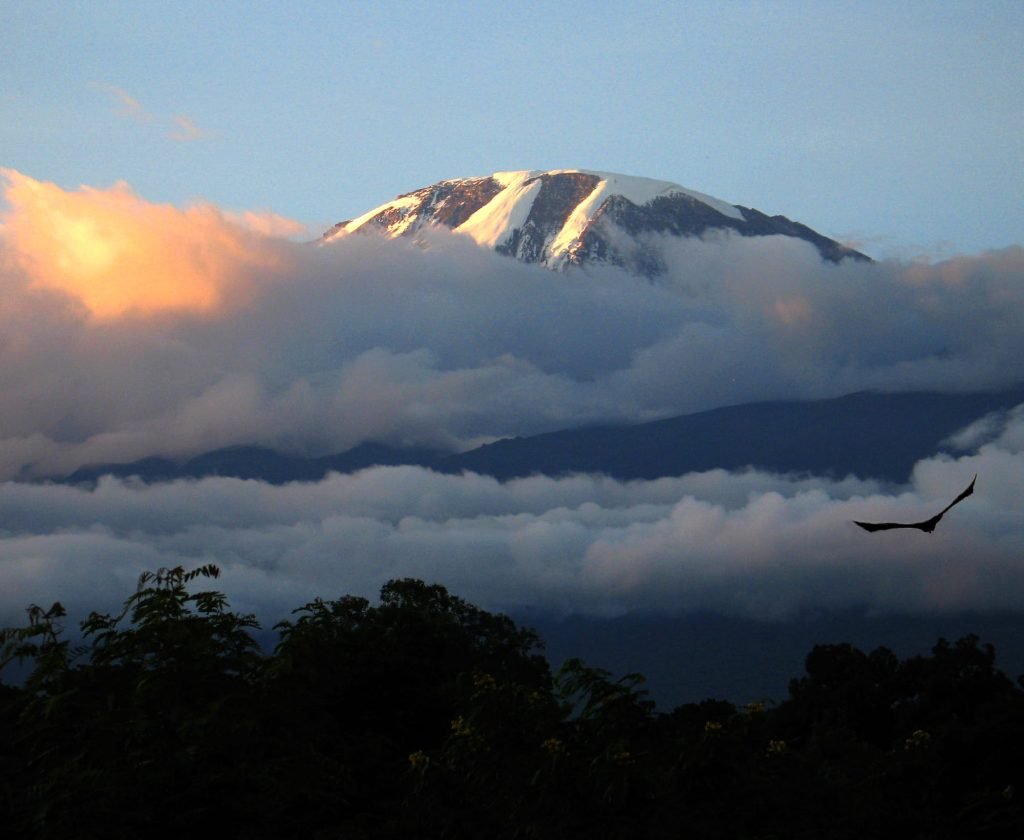
Often referred to as the "Roof of Africa," this majestic and iconic destination beckons adventure enthusiasts from across the globe. In this comprehensive guide, we will delve into the depths of its allure, providing you with a vivid picture of what to expect when embarking on this remarkable journey.
Getting There
Reaching is an adventure in itself. Whether you're flying from afar or arriving from a neighboring city, understanding the logistics is essential. With two major airports, Kilimanjaro International Airport (JRO) and Arusha Airport, your journey starts here.
Safari Cost
The cost of a Kilimanjaro safari can vary significantly, depending on various factors. We'll break down the expenses involved, from park fees to equipment rental, ensuring you're financially prepared for your once-in-a-lifetime experience.
Safari Package
Kilimanjaro offers a range of safari packages, each catering to different preferences and abilities. We'll explore the various options, from the Marangu Route for beginners to the challenging Lemosho Route for seasoned adventurers.
Safari Accommodation
Choosing the right accommodation is crucial to a comfortable and memorable Kilimanjaro experience. We'll guide you through the options, from rustic mountain huts to luxurious lodges, ensuring you find the perfect fit.
Best Things to Do in Mount Kilimanjaro
The allure extends beyond the ascent itself, as we delve into the thrilling activities awaiting you around the mountain. Experience the rich culture of the Chagga people, explore coffee plantations, and marvel at breathtaking waterfalls.
Climbing
The primary attraction is summiting Kilimanjaro. Climbing expeditions typically take several days and require preparation and guidance from experienced guides.
Wildlife Safaris
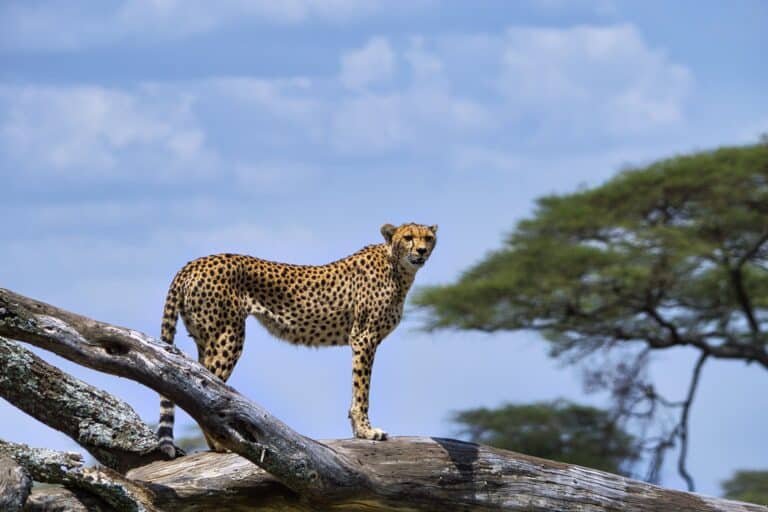
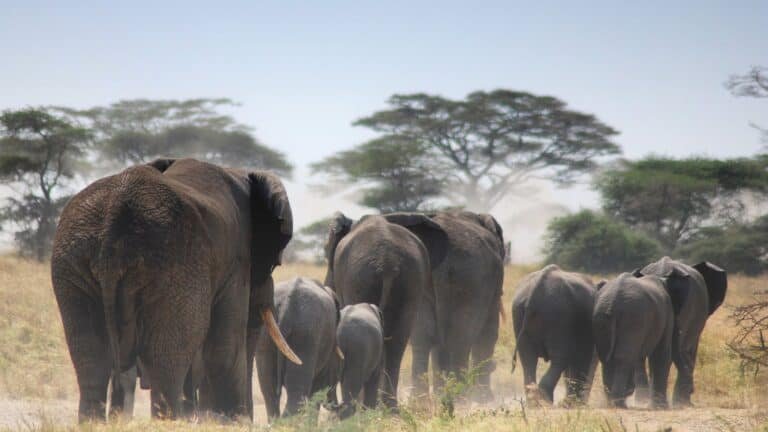
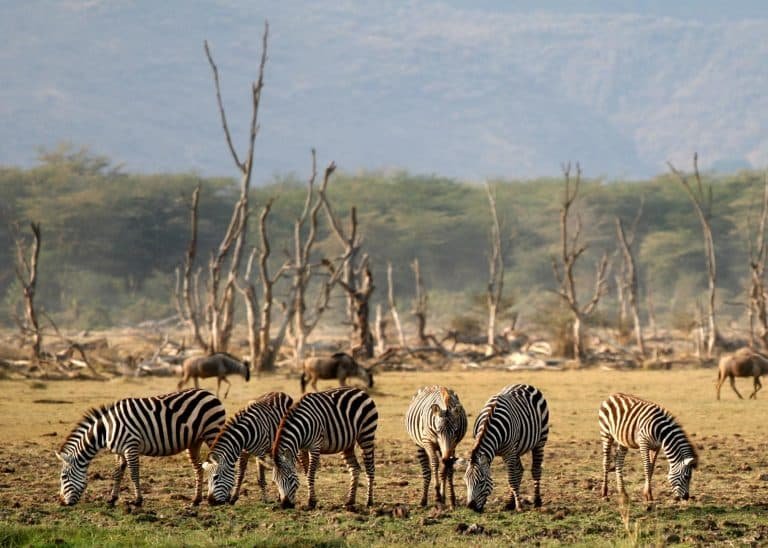
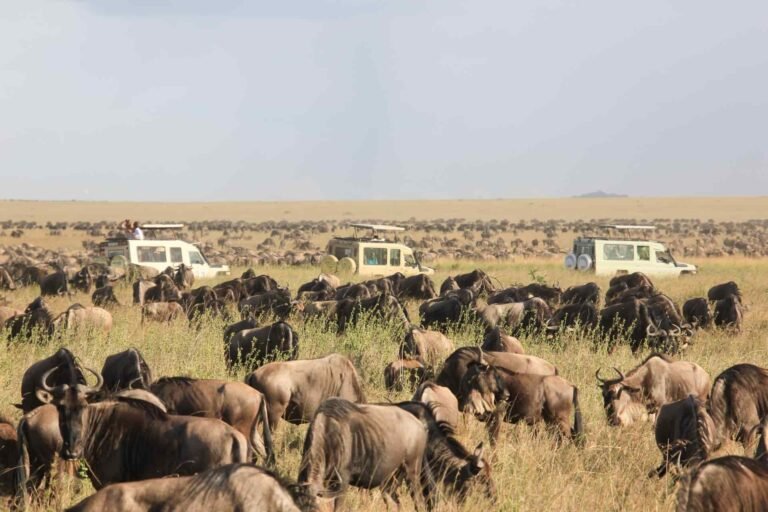
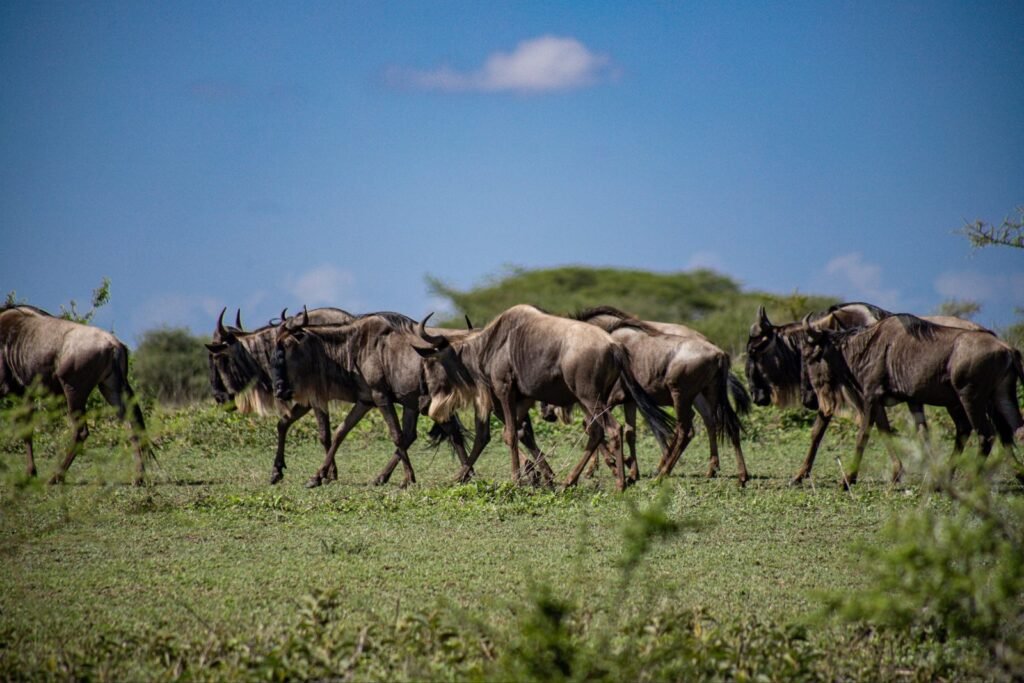
Embark on thrilling wildlife safaris in the nearby national parks, including Kilimanjaro National Park, Arusha National Park, and Serengeti National Park. Explore diverse flora and fauna while witnessing the beauty of nature.
Cultural Tours
Engage in cultural tours around local villages to experience the traditional Maasai and Chagga cultures.
Wildlife
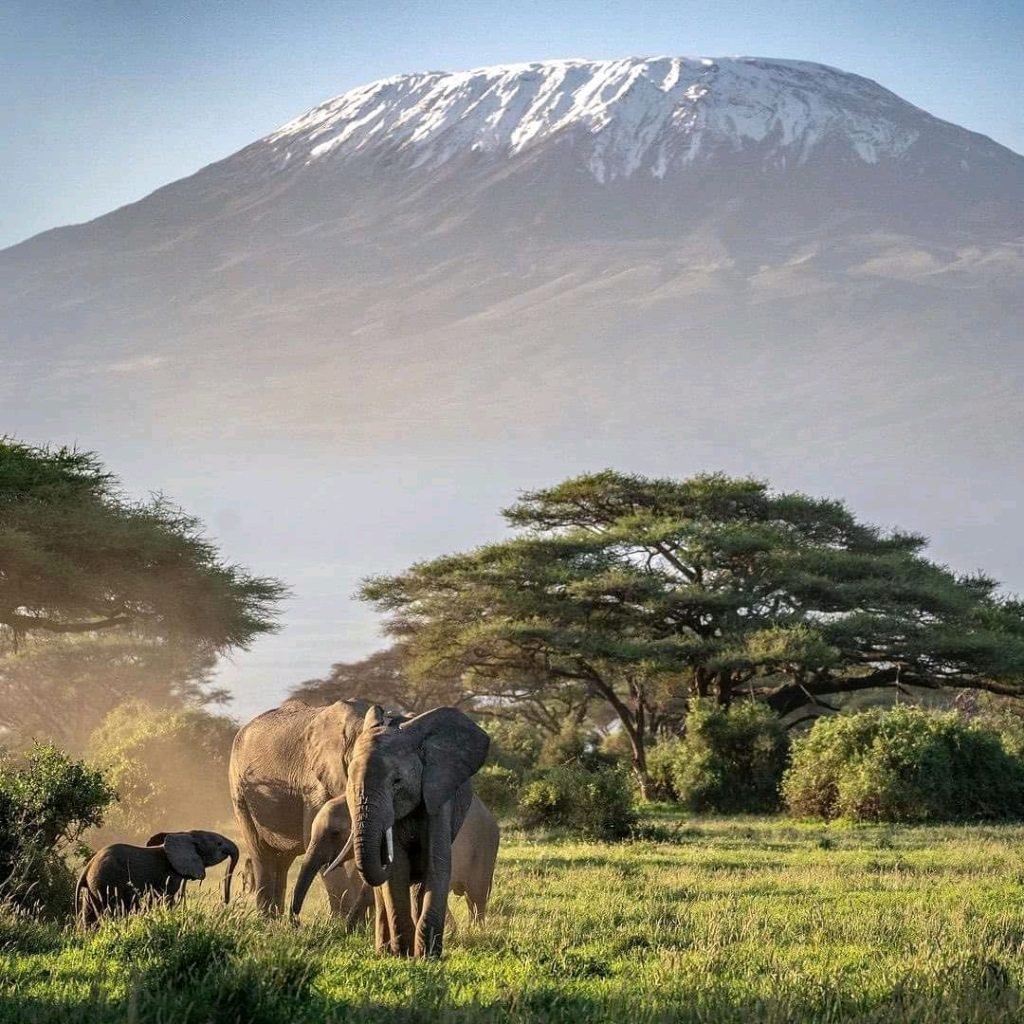
Explore the vibrant wildlife that thrives around Kilimanjaro's towering peak. Discover the unique animal species, such as buffalo, elephants, and colobus monkeys, that call this region home.
Attractions
From the scenic Machame Gate to the mystical Shira Plateau Kilimanjaro is dotted with awe-inspiring attractions. We'll take you on a journey through these remarkable places, each with its own story to tell.
When to go
Best time to visit
Best Time to Visit Mount Kilimanjaro
January to February
These months mark the tail end of the short dry season, offering good trekking conditions with relatively clear skies and less rainfall. It's a popular time for climbing Kilimanjaro.
June to October:
This period is part of the long dry season, providing the best weather for climbing Kilimanjaro. Clear skies and minimal rainfall make it an ideal time to attempt the summit. June to October is typically the peak trekking season.
December to March:
Another favorable window for climbing, especially from late December to early March, during the short dry season. The weather is relatively stable with fewer rains, making it suitable for trekking
January to March
This period constitutes the first high season for climbing Kilimanjaro. It falls within the dry season, offering relatively stable weather conditions, clearer skies, and reduced precipitation. The temperatures during these months are comfortable for trekking, making it an ideal time to attempt the climb.
June to October
The second high season occurs during these months, which also coincide with the dry season. These months offer excellent climbing conditions due to minimal rainfall, clear skies, and slightly cooler temperatures. This period is particularly popular among climbers as it aligns with summer holidays in many countries, attracting more visitors.
Average daytime high in °C · average monthly rainfall in mm

Trip ideas
Safaris that visit Mt. Kilimanjaro
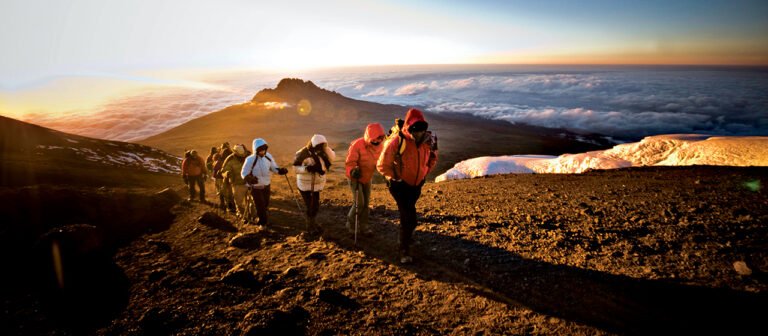 Tanzania · 10 days10-Day Lemosho Route Kilimanjaro Climb Package (9 Nights)From $2,989 per person
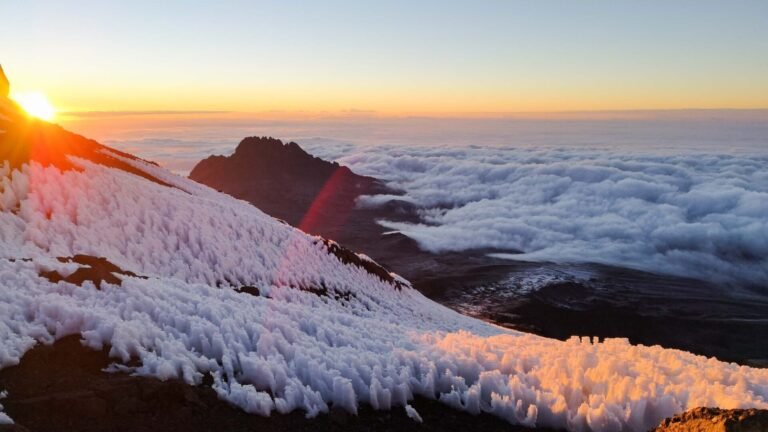 Tanzania · 9 days9-Day Machame Route Kilimanjaro Climb Package (8 Nights)From $2,489 per person
 Tanzania · 8 days8-Day Rongai Route Kilimanjaro Climb PackageFrom $2,440 per person
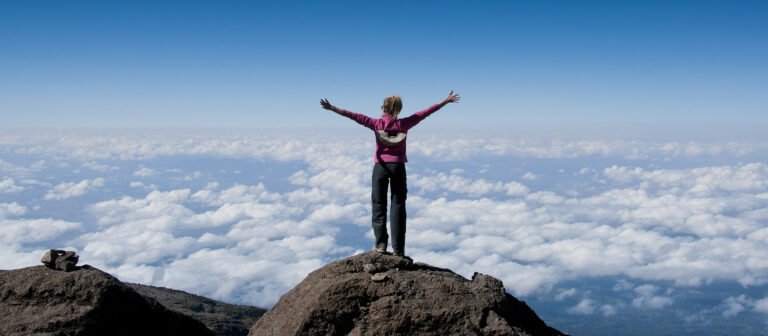 Tanzania · 8 days8-Day Marangu Route Kilimanjaro Climb Package (7 Nights)From $2,400 per person
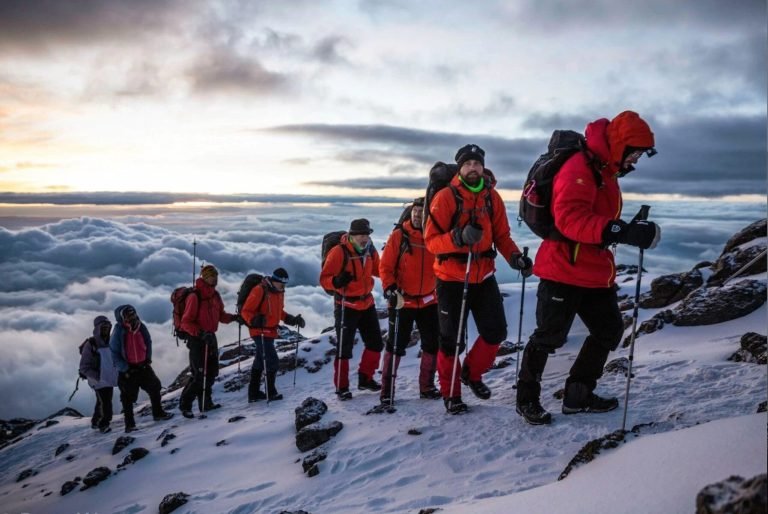 Tanzania · 9 days9-Day Kilimanjaro Climb and Safari: Marangu Route & Arusha National ParkFrom $2,851 per person
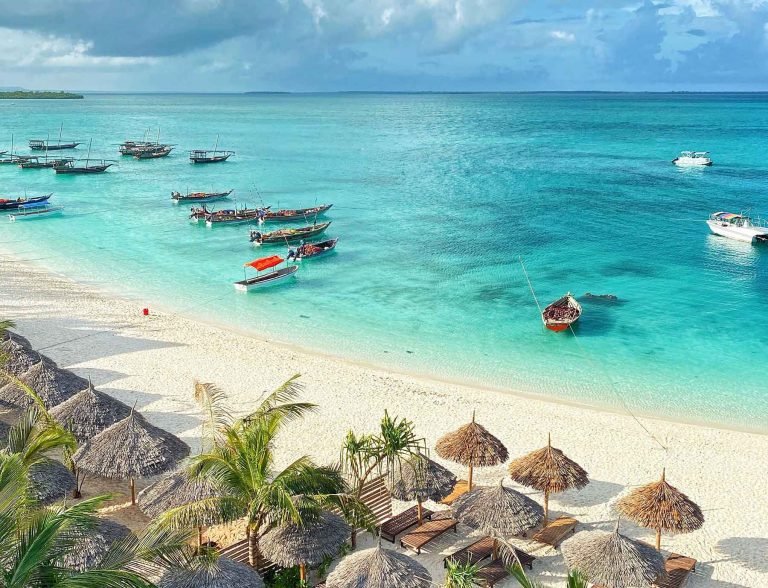
 Tanzania · 16 days15-Day Kilimanjaro Climb, Safari & Zanzibar Beach HolidayFrom $8,470 per person
Where to stay
Camps & lodges in Mt. Kilimanjaro

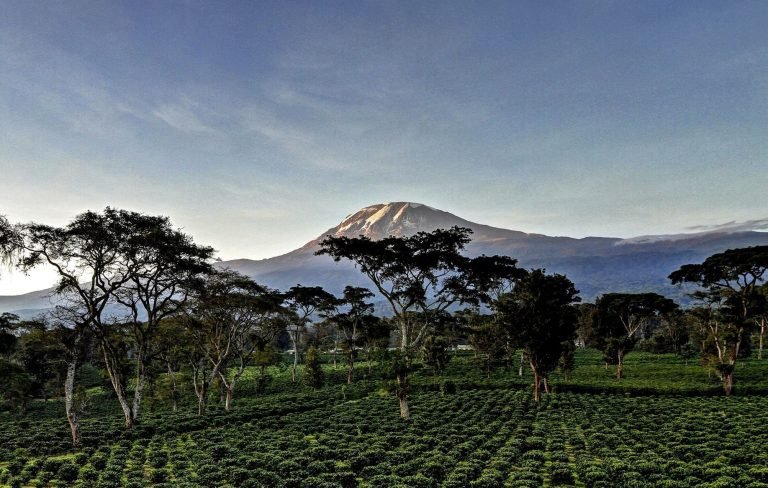
Good to know
01.Weather & climate
Mount Kilimanjaro's weather and climate vary significantly due to its diverse altitudes, ranging from tropical at the base to arctic conditions at its summit. The mountain creates its own weather patterns, influencing temperature and precipitation throughout the year.
Climate Zones in Mount Kilimanjaro
Base (Lowland Zone)
At the base, Kilimanjaro experiences a tropical climate. The temperatures are generally warm, and the region receives substantial rainfall, supporting lush vegetation.
Rainforest Zone
Between approximately 2,600 to 3,300 meters (8,500 to 10,800 feet), a rainforest zone exists. This area is characterized by dense vegetation and high rainfall.
Heath and Moorland Zone
Between around 3,300 to 4,200 meters (10,800 to 13,800 feet), the landscape transitions into heath and moorland. The temperatures become cooler, and the vegetation changes to grasslands and shrubs.
Alpine Desert Zone
Above 4,200 meters (13,800 feet), an alpine desert zone dominates. This area experiences very limited precipitation and features rocky terrain and sparse vegetation.
Arctic Zone (Summit)
The summit zone above approximately 5,000 meters (16,400 feet) exhibits an arctic climate. It's characterized by freezing temperatures, strong winds, and permanent snow and ice.
Weather Conditions by Season
Dry Season (June-October and December-March)
Generally, these months constitute the dry seasons, with clearer skies and reduced rainfall. Climbing during these periods is preferred due to more stable weather conditions.
Wet Season (April-May and November)
These months experience heavier rainfall, especially in April-May and November. Rain can make trekking more challenging, increase the risk of slippery trails, and reduce visibility.
Temperature Variation in Mount Kilimanjaro
Base to Summit
Temperatures can vary greatly from the base to the summit. At the base, temperatures can be warm, averaging around 25°C (77°F), while at the summit, temperatures can drop well below freezing, reaching as low as -10°C to -20°C (14°F to -4°F) or even lower.
02.When is high season?
High season here runs june to October. Camps book up early in these months, so plan ahead, or travel either side for quieter parks and better rates.
Talk to someone who’s been there
Our travel specialists are based in Arusha, with deep local knowledge and a passion for East Africa. Tell us how you like to travel and we’ll plan the right parks, camps and timing for you.
Make an enquiry
Plan your safari with an expert
Our team of travel specialists are waiting to help you book your next adventure.
Keep exploring