The game drive is the heart of every safari. Travelling in a 4×4 vehicle with an experienced guide, you explore Tanzania’s national parks in search of wildlife, from the Big Five to smaller creatures and colourful birds.
Whether you are exploring the endless plains of the Serengeti, the baobab-dotted landscapes of Tarangire or the diverse habitats of Lake Manyara, each game drive offers a different opportunity to experience Africa’s wildlife and natural landscapes.
Why Choose a Private Game Drive?
On a private game drive, the vehicle is yours alone. You decide how long to stay at a wildlife sighting, when to stop for photographs and when to take a break. Unlike scheduled group excursions, a private safari allows you to enjoy the experience at your own pace.
Our 4×4 Land Cruisers feature pop-up roofs for all-round wildlife viewing, comfortable seating and bottled water on board. With a dedicated professional guide, you can enjoy a more personal experience while learning about animal behaviour, habitats and the surrounding ecosystem.
Half-day drives usually take place in the early morning or late afternoon, when many animals are active. Full-day drives allow more time to explore different areas of a park and include a picnic lunch, making it possible to venture deeper into destinations such as the Serengeti without returning to camp.
Your guide understands animal behaviour, tracks wildlife movements and follows recent sightings to help you make the most of every excursion. Although wildlife sightings can never be guaranteed, an experienced guide can greatly improve your opportunities for memorable encounters.
What to Expect During a Game Drive
A typical game drive begins with a briefing from your safari guide before you head into the national park or wildlife conservation area.
As you travel through different habitats, your guide looks for animal tracks, movement and other signs of wildlife. You may encounter elephants moving through the woodland, giraffes feeding on acacia trees, zebras grazing across open plains or lions resting in the shade.
Game drives are not only about spotting large animals. They also provide opportunities to discover smaller wildlife, bird species, insects and interesting plant life that contribute to the balance of the ecosystem.
When an interesting sighting occurs, your guide may position the vehicle at a suitable viewing distance, allowing you to observe and photograph the animals without unnecessarily disturbing them.
Every drive is different. Wildlife movements, weather conditions and the season all influence what you might encounter.
Morning, Afternoon or Full-Day Game Drive?
The timing and duration of your game drive can influence the type of experience you have.
Early Morning Game Drives
Morning drives begin around sunrise, when temperatures are cooler and many animals are active. This is an excellent opportunity to observe predators returning from nighttime hunts, herbivores beginning to graze and birds becoming active.
Afternoon Game Drives
Afternoon excursions offer opportunities to explore the park as temperatures begin to fall. Animals may become more active again, and the changing light creates attractive conditions for wildlife photography.
Full-Day Game Drives
A full-day excursion provides more time to explore different habitats and travel further into the park. You can enjoy a morning wildlife drive, stop for a picnic lunch at a designated area and continue exploring throughout the afternoon.
This option works particularly well in larger destinations such as Serengeti National Park, where wildlife sightings can be spread across extensive landscapes.
Wildlife You May Encounter
Tanzania is home to an extraordinary variety of wildlife. Depending on your destination, season and location within the park, your game drive may include sightings of:
- Lions: Often spotted resting in the grass or moving through open savannah.
- Elephants: Frequently encountered in woodland areas and around water sources.
- Giraffes: Recognisable by their long necks and graceful movements among acacia trees.
- Buffaloes: Often seen grazing in large herds across grasslands.
- Leopards: More elusive predators that may be spotted resting in trees or moving through dense vegetation.
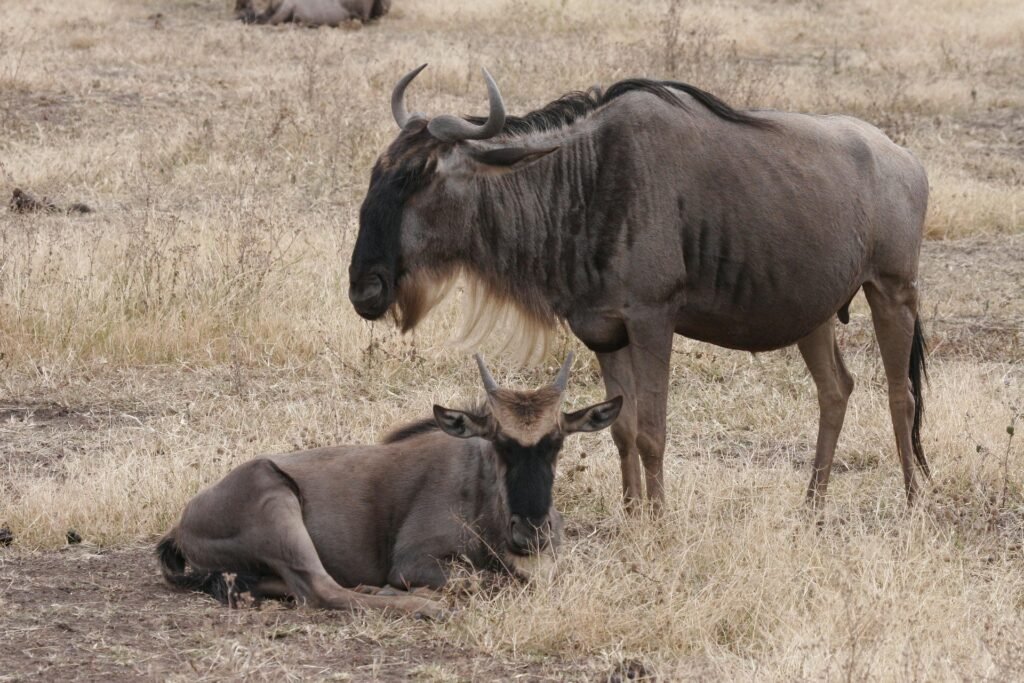
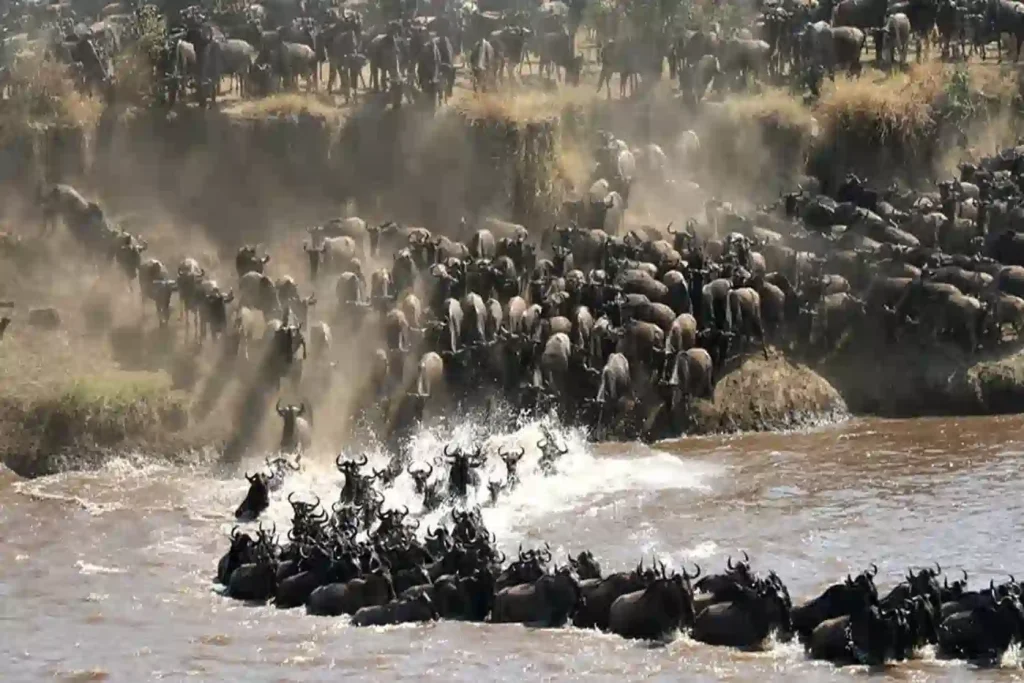
- Zebras and wildebeest: Commonly observed in grazing herds, particularly across the northern safari circuit.
- Birdlife: From colourful bee-eaters and lilac-breasted rollers to large birds of prey.
Your guide can help identify different species and explain their behaviour, feeding patterns and relationships within the ecosystem.
Best Time for a Game Drive in Tanzania
Game drives are available throughout the year, although wildlife viewing conditions vary depending on the season and destination.
The dry season, generally from June to October, often provides favourable wildlife-viewing conditions. Vegetation becomes thinner in many areas, and animals may gather around permanent water sources.
The green season, generally from November to May, brings changing landscapes, fresh vegetation and excellent opportunities for birdwatching. Some areas also experience seasonal wildlife movements and the arrival of migratory bird species.
The best time ultimately depends on the national park you intend to visit and the wildlife experiences you hope to enjoy.
What to Bring on a Game Drive
A little preparation can make your safari more comfortable. Consider bringing:
- Binoculars for observing animals at a distance.
- A camera with a suitable zoom lens.
- Sunglasses and sunscreen for protection against the sun.
- A hat or cap.
- Comfortable, neutral-coloured clothing.
- A light jacket for cool early mornings.
- Personal essentials and any necessary medication.
Your safari vehicle will provide a comfortable viewing environment, but carrying these essentials helps you enjoy longer excursions.
Responsible Wildlife Viewing
Responsible wildlife viewing is an important part of every safari. Visitors should follow their guide’s instructions, maintain appropriate distances from animals and avoid unnecessary noise or sudden movements.
Vehicles should remain on permitted tracks and respect park regulations. Animals should never be approached, chased or disturbed for photographs.
These practices help protect wildlife and preserve natural habitats for future generations.
Combine Your Game Drive With a Tanzania Safari
A game drive can be the main activity of your safari or part of a longer journey through Tanzania’s northern or southern wildlife destinations.
Consider combining your experience with visits to Serengeti National Park, Tarangire National Park, Lake Manyara and the Ngorongoro Crater. Each destination offers different landscapes, wildlife habitats and opportunities for exploration.
Whether you are planning a short wildlife excursion or a multi-day adventure, our team can help arrange a game-drive experience that matches your travel plans, interests and schedule.
Contact Sarafu Travel to start planning your Tanzania safari.